By Mason Hodges, Red Cross Volunteer
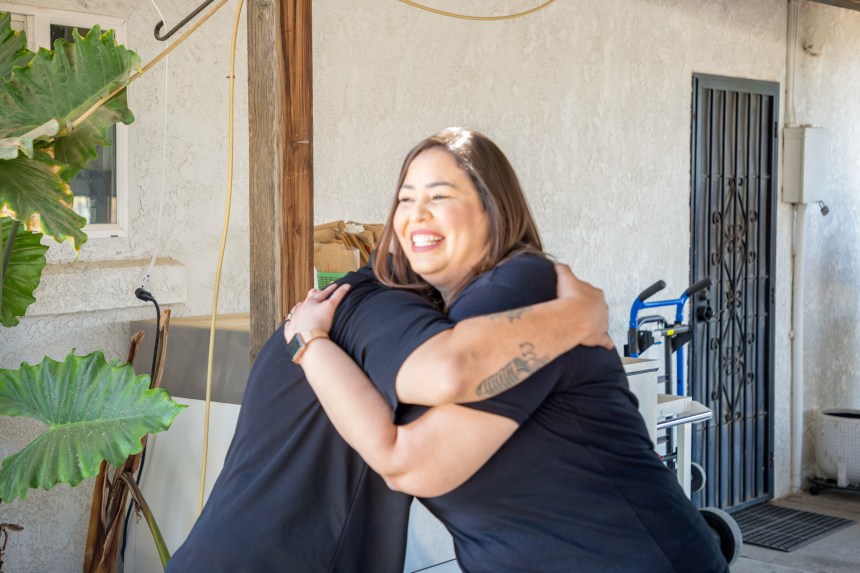
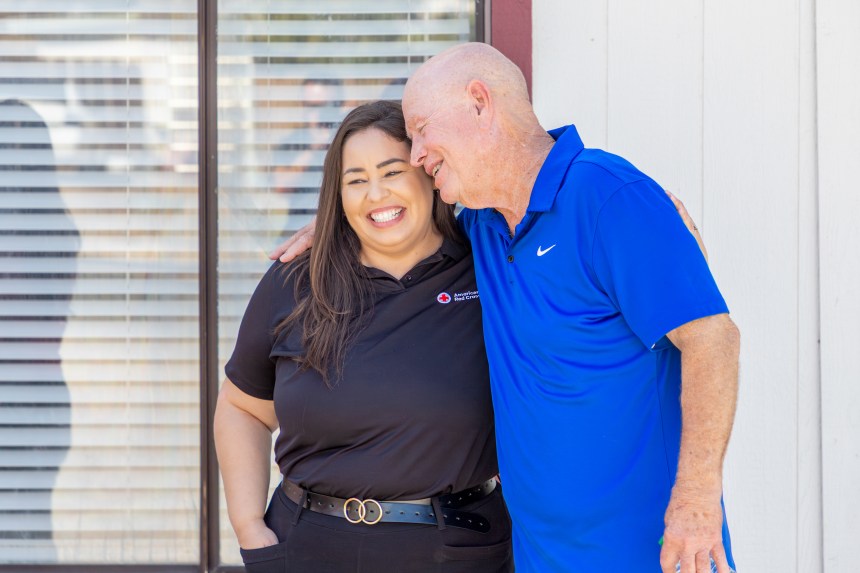
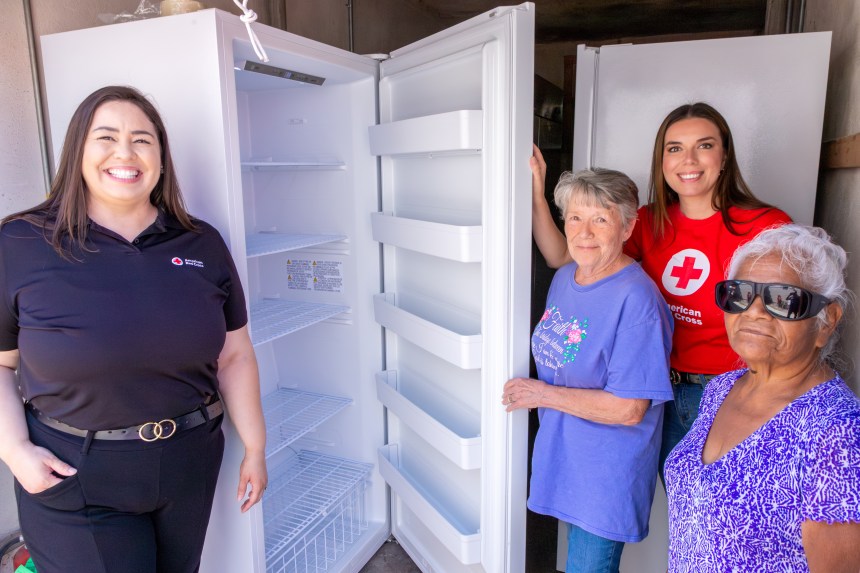
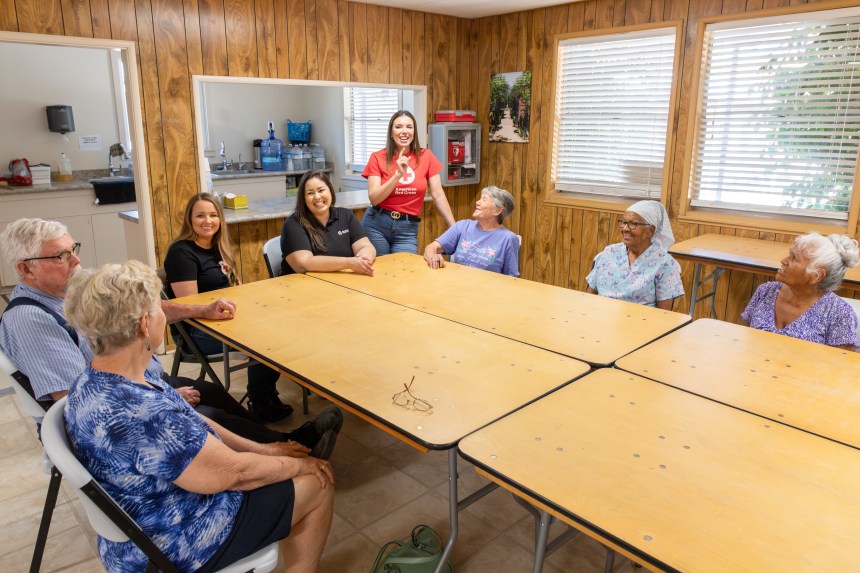
You don’t need a disaster to see the impact of the Red Cross. Sometimes, it starts with a conversation at a community table. Sometimes, it’s a smoke alarm installed in a quiet home. And sometimes, it’s someone like Margarita Moreno, a Red Crosser whose presence alone keeps the beat of community alive.
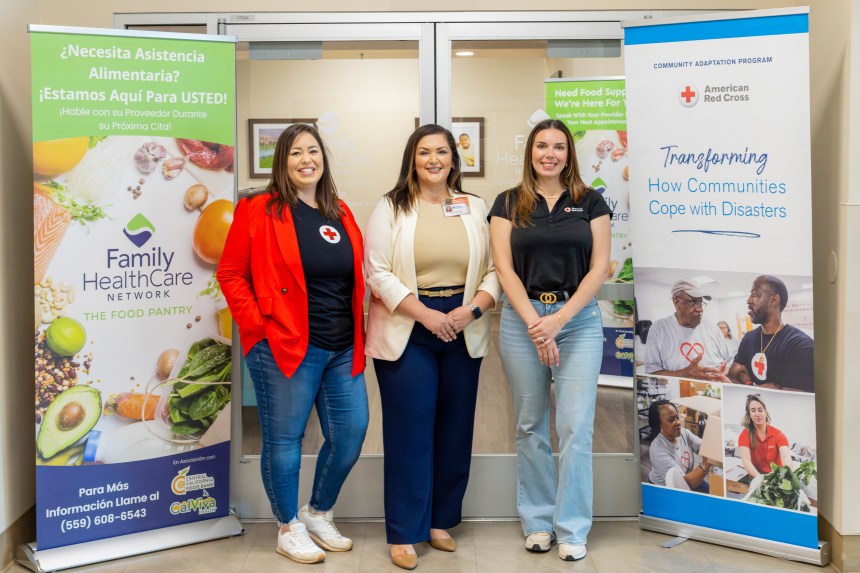
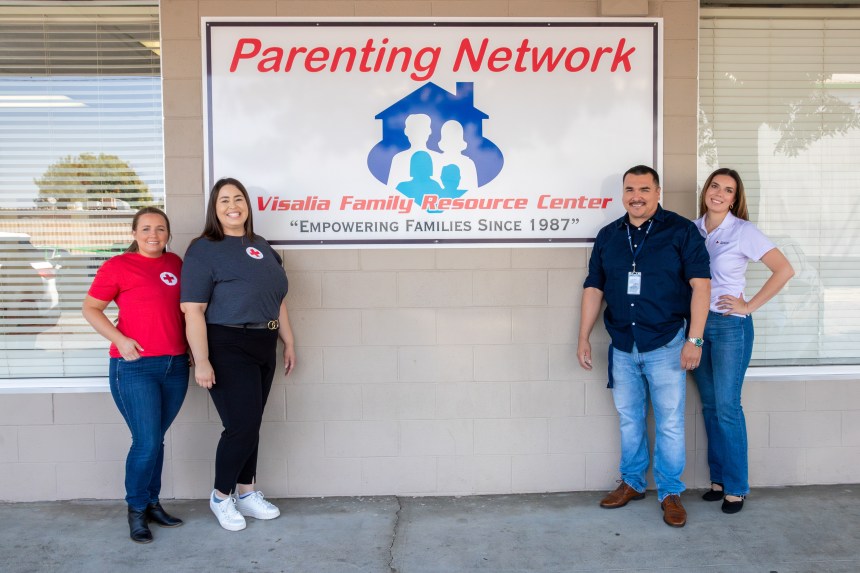
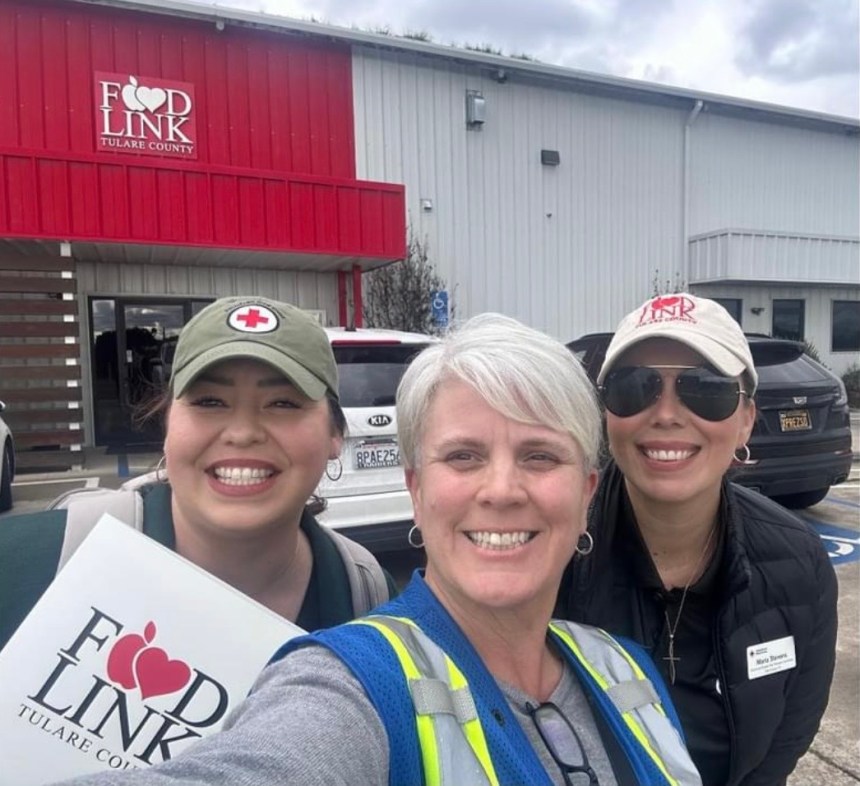
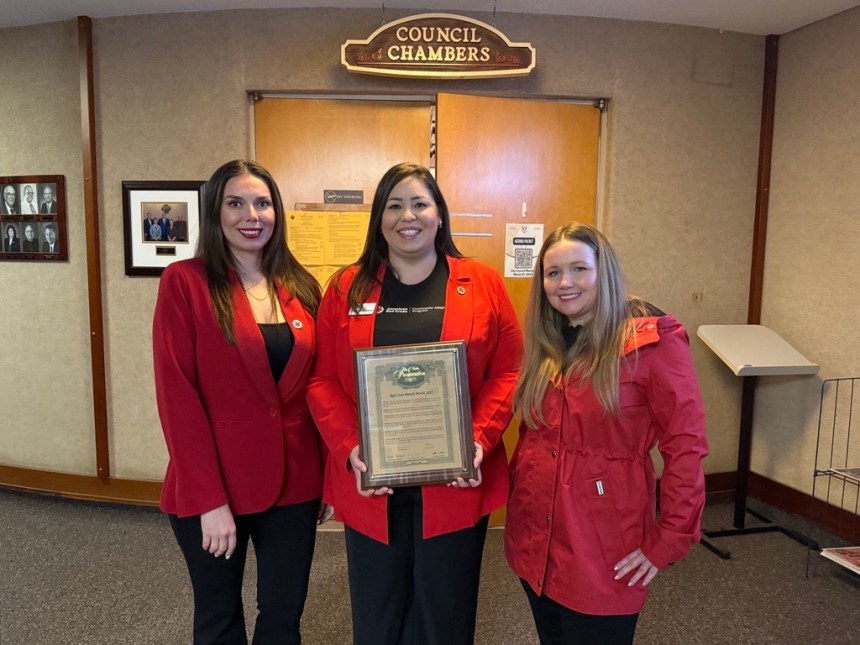
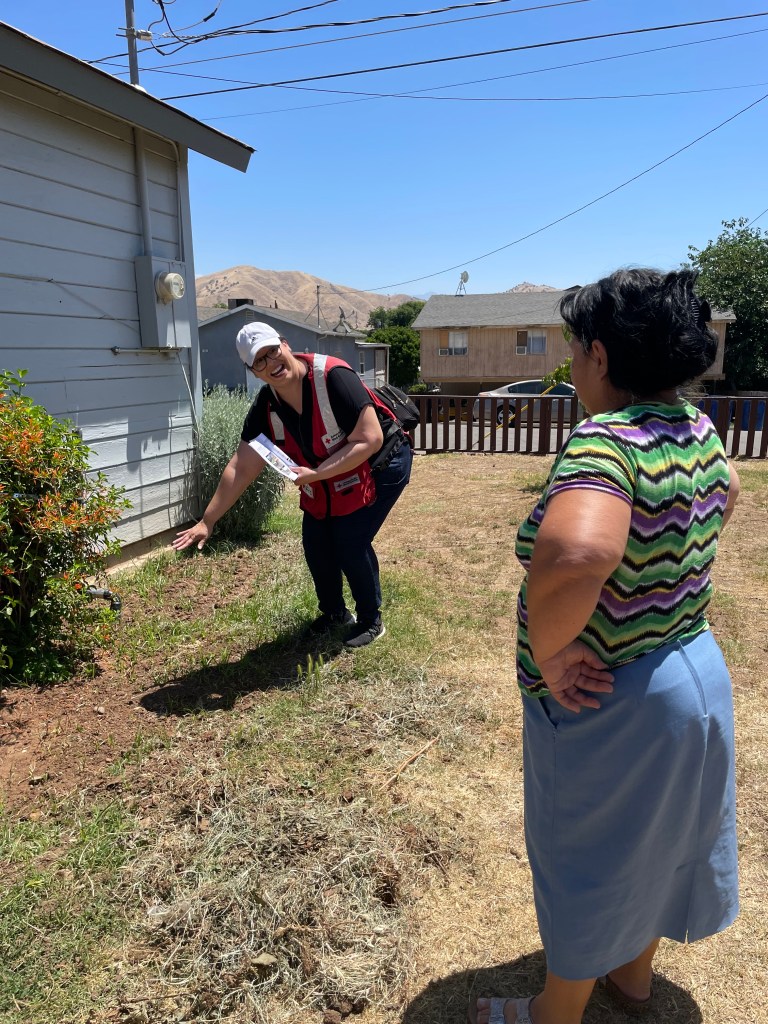
In Tulare County, Margarita has become a familiar face. She’s not just showing up for events. She’s showing up for people. Margarita says, “presence is a mission.” As part of the Community Adaptation Program (CAP), she works with local partners to prepare neighborhoods for emergencies before they happen. Her work is grounded in trust, shaped by culture and carried by the rhythm of connection – a rhythm she’s known all her life.
Raised in a proud Mexican American family, Margarita grew up between two worlds: Tulare County and the small towns in Mexico where her roots run deep. Family visits meant dusty roads, laughter that spilled from open doors and her grandfather’s servicio particular van – his mobile store – bringing boots, water and kindness to rural families. Even as a child, she saw what service looked like: quiet, steady and deeply human.
Her family’s legacy was one of melody and service. They were among the first Mexican American entertainers in their community, hosting an hour of Mexican music on the local radio and performing on the first Mexican talk show. Over the years, both her grandparents and her father served as parade grand marshals – symbols of pride, persistence and belonging. In their home, music wasn’t just performance – it was purpose. Each note carried history, and each beat mirrored resilience.
Margarita joined the Red Cross two years ago, drawn in by curiosity and a desire to serve. Like many, she thought the organization only responded to large-scale disasters. But when she discovered a local program focused on community, she saw an opportunity to make a difference close to home. “When I saw the Red Cross and specifically the Community Adaptation Program with its focus around addressing issues like hunger, health and housing, it just made so much sense.” Her background in education and relationship-building made her a natural fit.
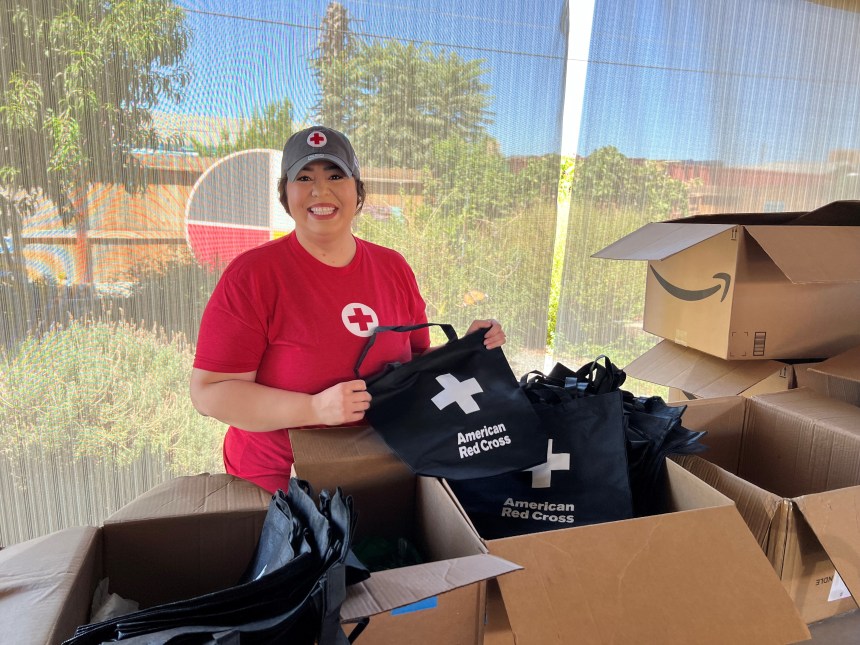
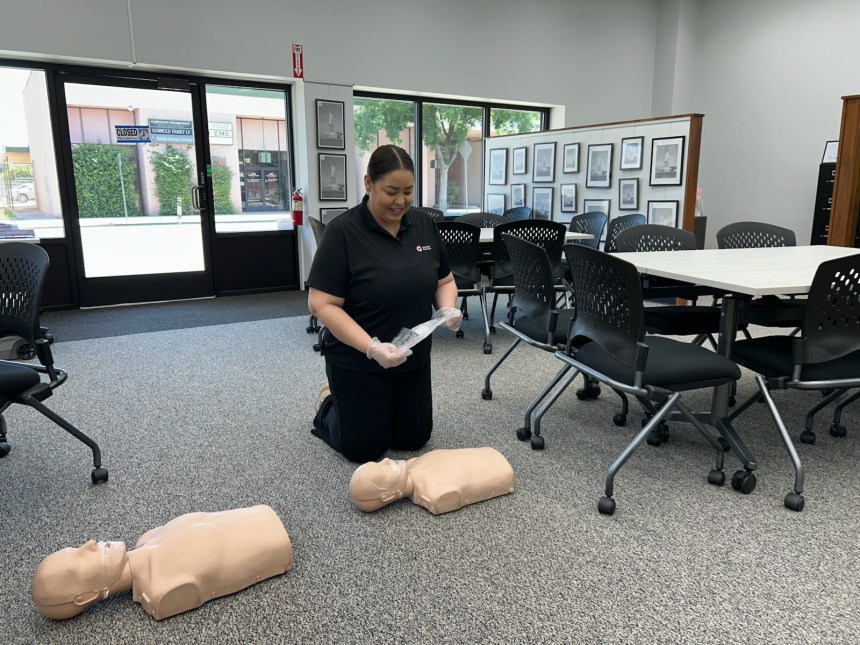
Today, that same rhythm guides her work. For Margarita, every day looks different. She says, “The most fun and greatest thing about working with the Red Cross is that there is no typical day.” One might involve meeting with partners to plan outreach. Another might be spent tabling at a resource fair or distributing emergency heat kits. But the goal is always the same: to connect, to listen and to act. Margarita believes that preparedness starts with presence. When people recognize her, when they know she’ll follow through, that’s when trust begins to grow.
She moves with the same tempo her family taught her – steady, intentional, full of heart. She believes preparedness isn’t a checklist; it’s a crescendó of connection, built over time through trust, laughter and shared effort.
Through her work with the Red Cross, Margarita honors that heritage by helping others prepare for the future while celebrating the past. Because resilience, like music, is meant to be shared.
Margarita describes Hispanic heritage as a source of strength. She sees it in the neighbor-to-neighbor help, in the tight-knit communities and in the stories passed down through generations. This year, she’s working to bring more cultural engagement into Red Cross programs, believing that heritage makes us more resilient and more connected.
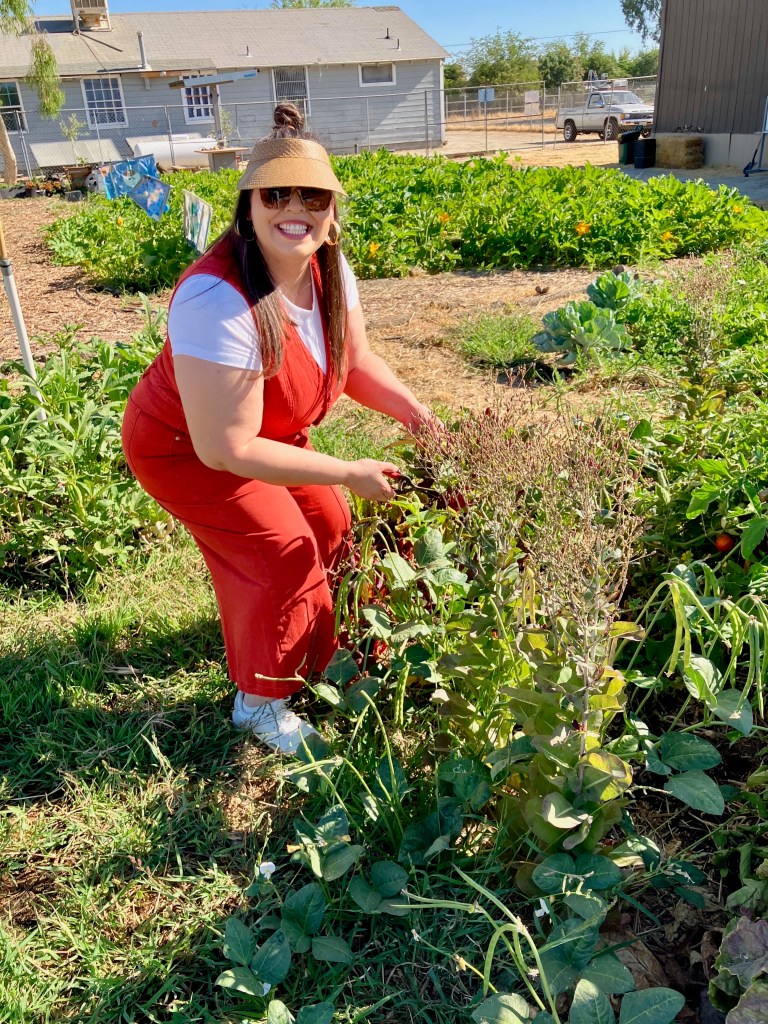
Her time with the Red Cross has changed more than her work; it’s changed how she parents, how she plans and how she thinks about safety. Preparedness is no longer a checklist. It’s a mindset. She’s seen how even small actions, like handing out water bottles to field workers, can make a real difference. These moments, quiet but powerful, are what keep her going.
For anyone considering volunteering, Margarita has a simple message: just start. Attend an orientation. Ask questions.
There’s a place for every skill, every interest, and every background. You don’t have to know everything. You just have to care.
Margarita’s story is a reminder that impact doesn’t always come from grand gestures. Sometimes, it’s found in the steady rhythm of showing up, in the relationships built over time and in the quiet confidence of someone who believes in her community. Three words Margarita uses to summarize her experience with the Red Cross are, “connection, compassion and community.” Through her work, she’s helping others prepare for the future while honoring the past.
Want to make a difference in your community today? Visit redcross.org/volunteer to explore how you can serve your community, just like Margarita. Your presence could be the difference.