On the first Earth Day in 1970, twenty million Americans gathered to protest pollution and industrial waste. No one was using the term “climate crisis” yet, but the biggest pollutants of all—greenhouse gases—were just beginning to take their toll.
Since then, the concentration of carbon dioxide in the atmosphere has risen from 325 to 430 parts per million, a powerful measure of how much the climate has changed in just over five decades.
Now we see the effects every day: The American Red Cross is responding to nearly twice as many large disasters as it did a decade ago.
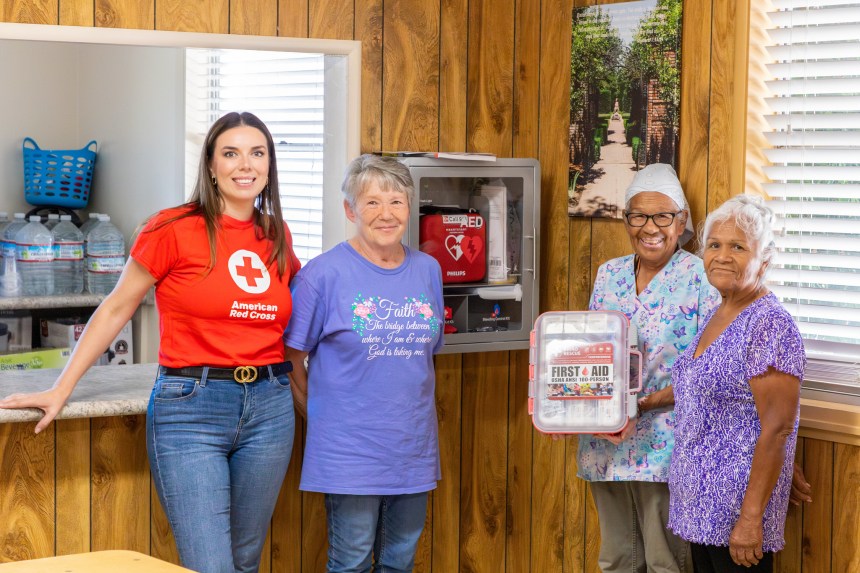
National Heart Month is a reminder of something simple but powerful: in the moments when a life hangs in the balance, it’s often a nearby neighbor or a Good Samaritan who becomes the first source of hope. Cardiac emergencies can happen anywhere — at a food distribution site, in a community center or during an ordinary day — and when they do, the people closest to us are the ones who make the difference.
That spirit of looking out for one another is what drives the American Red Cross Community Adaptation Program in Tulare County. As one of only 19 communities nationwide chosen for this long‑term investment, Tulare County is building preparedness from the inside out — through the people who already care for their neighborhoods every day.
When torrential rain opened over California in the winter of 2023, few could have imagined the devastation that would follow. Fueled by rare atmospheric rivers, communities were flooded with destruction like they had never seen before. Among them was Pajaro, a small Monterey County town, where homes and livelihoods were destroyed.
While this disaster did leave behind broken levees, it also ignited a new vision for preparedness, particularly in vulnerable communities where disasters repeatedly hit the hardest.
That realization quickly became the impetus to launch the 18th Red Cross Community Adaptation Program (CAP) across the country out of Monterey County. This is an innovative Red Cross initiative designed to strengthen local partner networks in disaster-prone areas, ensuring families have the tools and support they need before the next emergency strikes.
Maria Stevens believes that through adversity, we build strength. Her journey began long before she joined the American Red Cross as a Community Disaster Program Manager (CDPM) in 2023.
At just 8 years old, Maria and her family moved from their comfortable home in Mexico to Downey, Calif., as political refugees. They had to start anew with little support, and Maria witnessed her parents work tirelessly to provide for their family. Determined to succeed, she focused on her education, conquering the challenges that immigrant families often face.
“It was humbling to come from Mexico to the US, where we had nothing.”
At 14, inspired by her parents’ relentless work ethic, Maria took her first job as a lifeguard. This decision marked her introduction to the American Red Cross, where she earned her swim instructor certification—a connection that would later return when her own children grew older.
“The hardships taught me resiliency.”
With her understanding of resiliency, Maria dedicated herself to helping others at a mental health organization before she found her way to the Red Cross.
“I learned to see people for who they are, and not for the mistakes they made.”
After 11 years working in mental health, her daughter approached her with an interest in being a lifeguard. Maria knew the perfect place to start.
Soon after, Maria applied for the CDPM position, and within 7 months, she was promoted to her current position as Community Disaster Risk Reduction Coordinator serving Tulare County.
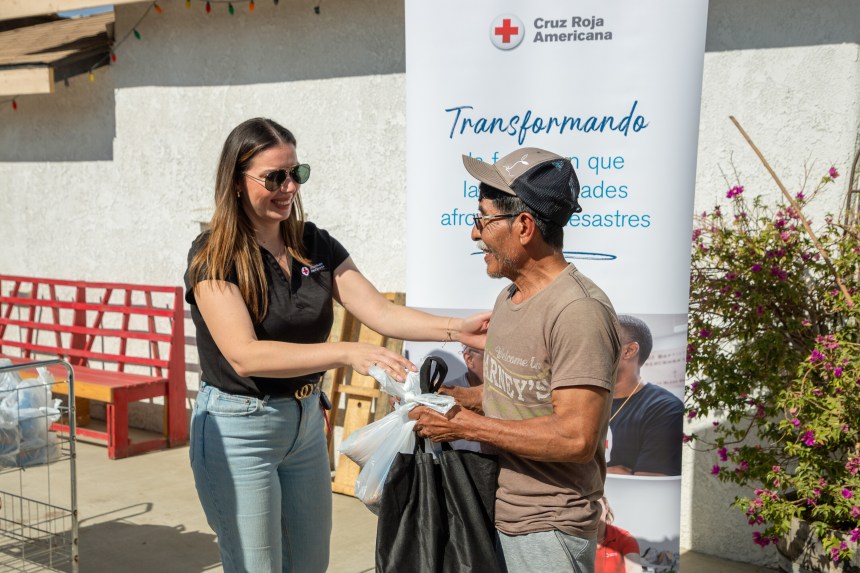
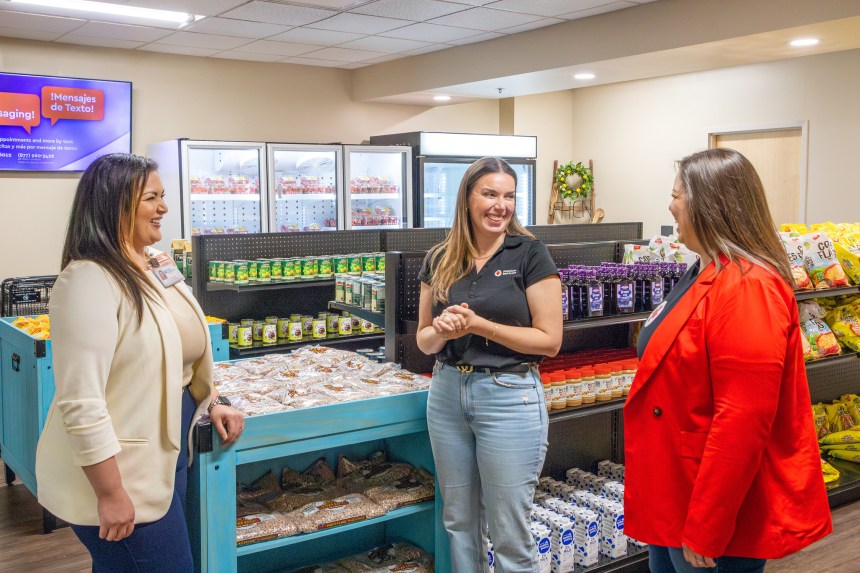
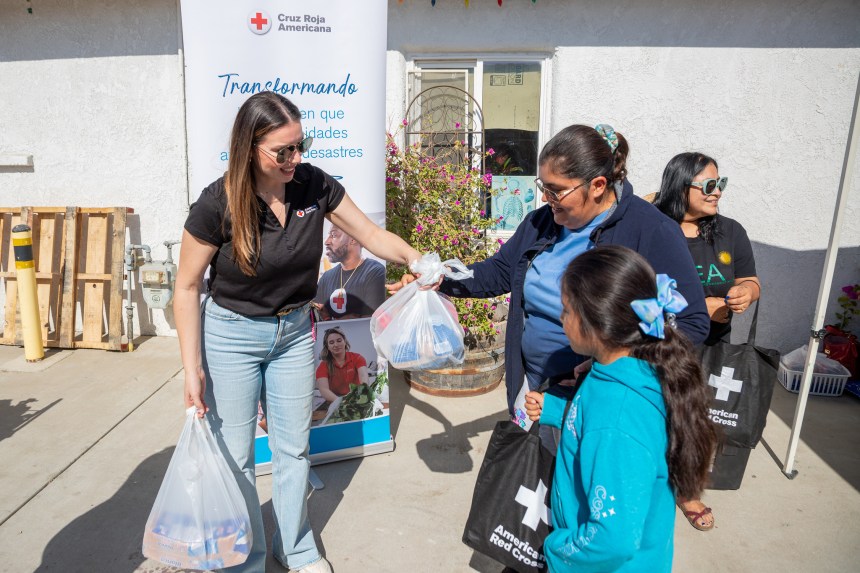
Maria is deeply committed to supporting and equipping Tulare County through the Community Adaptation Program (CAP). This initiative connects with local non-profits, focusing on preparing smaller or rural communities for potential challenges, ensuring they are ready for any disaster.
Soon after her hiring, Maria faced her first disaster during the devastating flooding in Tulare County. Her dedication shone as she worked tirelessly. This experience sparked her passion for disaster work, resulting in two additional deployments.
Maria knows this job was meant for her. Many communities have a difficult time trusting outsiders, but Maria is proud that she has been able to break down barriers between herself and those in rural communities. As a bilingual individual, she can easily communicate with Spanish speakers, and through her childhood experience, she understands their initial hesitation. Maria’s also been working on breaking down the language barrier for languages she does not speak by purchasing a translation device.
“Disasters do not discriminate on race, gender, or social status; anybody can be affected by something.”
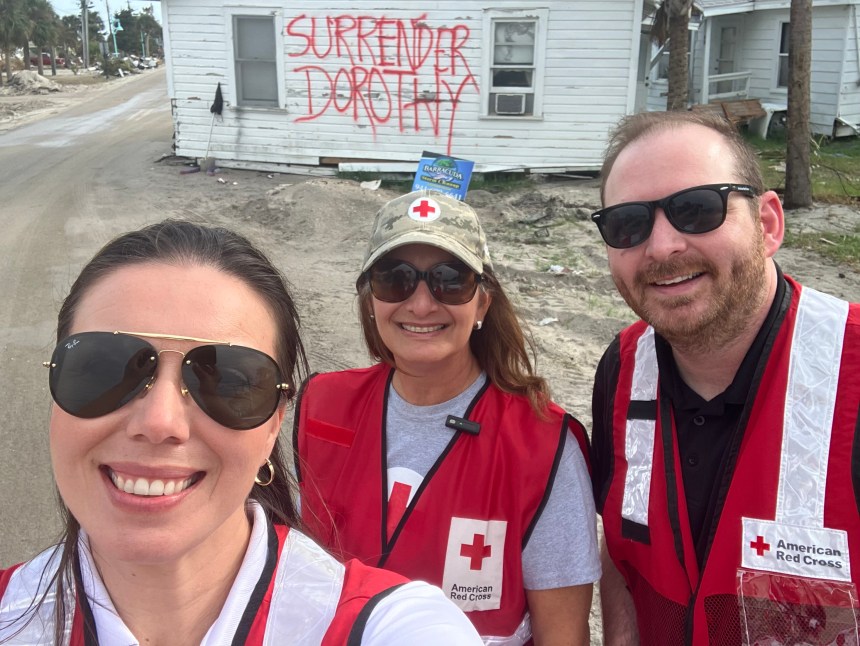
During Maria’s deployment to Hurricane Milton, she took on the role of disaster assessment. What she witnessed stuck with her. In one neighborhood on the side of a white house, was written out in red paint, ‘Surrender Dorothy.’ Maria witnessed how the neighborhood continued to persevere even through the devastating effects of Milton.
“Even when there are challenges, get up and shake it off.”
Maria has faced each of life’s challenges with the same resiliency she learned from her parents all those years ago. Maria is an excellent example of the unwavering dedication Red Cross staff and volunteers have in keeping our communities safe and prepared.
This Hispanic Heritage Month, let’s celebrate Maria’s story and the legacy she continues to build, a legacy rooted in compassion, connection and service.
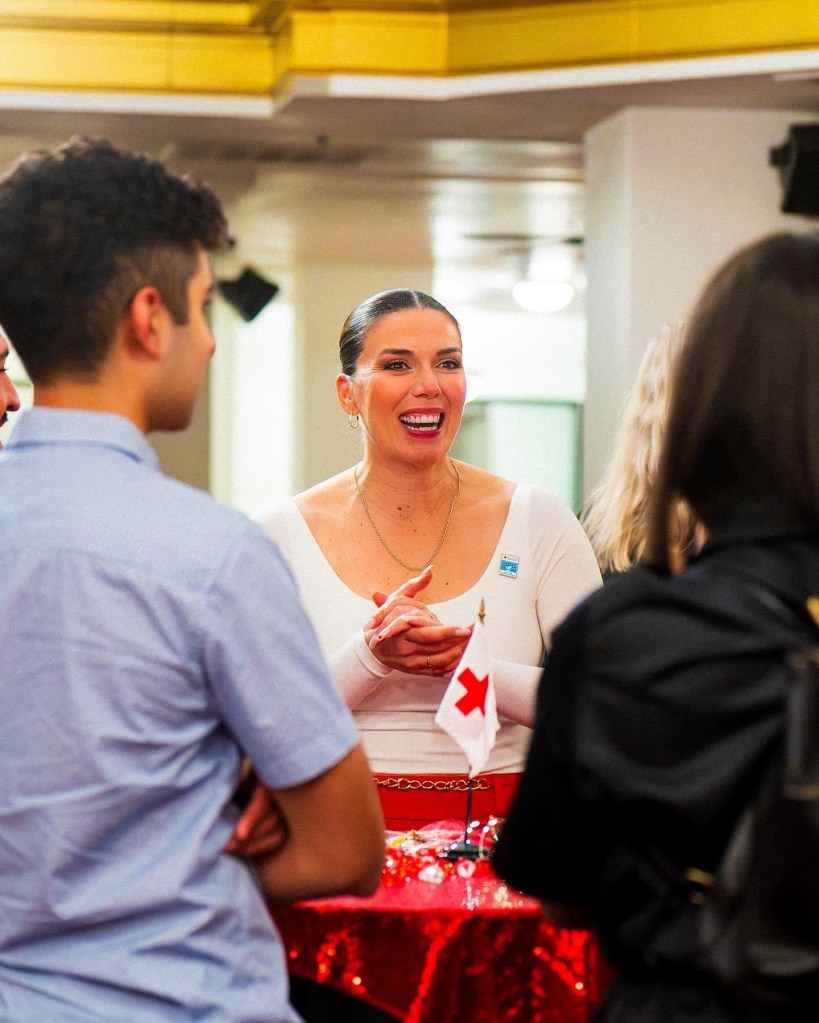
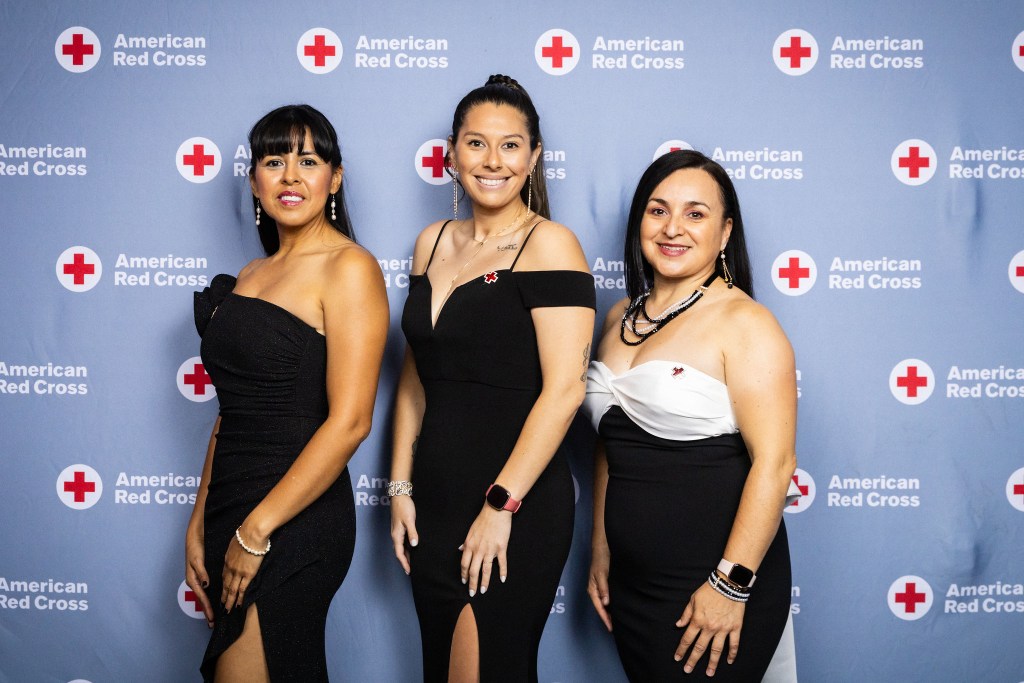
The Community Adaptation Program team together at the 2025 American Red Cross Northern California Coastal Region Gala. Pictured are Lucy Rojas (left), Gabriela Perez Albarracin (middle) and Maria Magaña (right).
By Mark Phillips, Board Member Central Coast Chapter
The American Red Cross Community Adaptation Program (CAP) is an initiative to enhance the ability of local and hyper-local organizations to provide services during disasters. The Red Cross leverages its expertise, partnerships and network to level up the impact of the grassroots organizations that know their communities best. By building the capability, capacity and continuity of these groups during blue sky periods, they are better able to provide vital services during trying times.
CAP came to Monterey County in July of 2024, when Gabriela Perez Albarracin joined the area from the Lake County, California. Under her leadership, the first year of CAP activity in Monterey County has had a number of successes and laid the groundwork for an impactful year two.