Local school bus drivers helped distribute food in Guam after a typhoon
After a massive typhoon hit Guam in 2023, people on the islands were struggling to feed their families. While the American Red Cross had set up a shelter to house people whose homes had been damaged, there were many people in the community who were not staying at the shelter but still needed food and water. Red Cross leaders wondered, how can we get food to the local community, when there are no street signs for navigating and we don’t have a fleet of vehicles here? Bus drivers were the answer! So, the Red Cross worked with the school district in Guam to distribute meals on school buses because the drivers knew the streets well and had transportation available already.
After some time, Red Cross leadership was considering ending the feeding program in the community, but the volunteers in the field were concerned. They drove around to all the local bodegas and there was “nothing there” on the shelves, says Briana Taylor, Red Cross volunteer. “We went back and said, ‘You can’t stop feeding until we have food in the markets.’ People wouldn’t have had any resources to provide food for their families.”
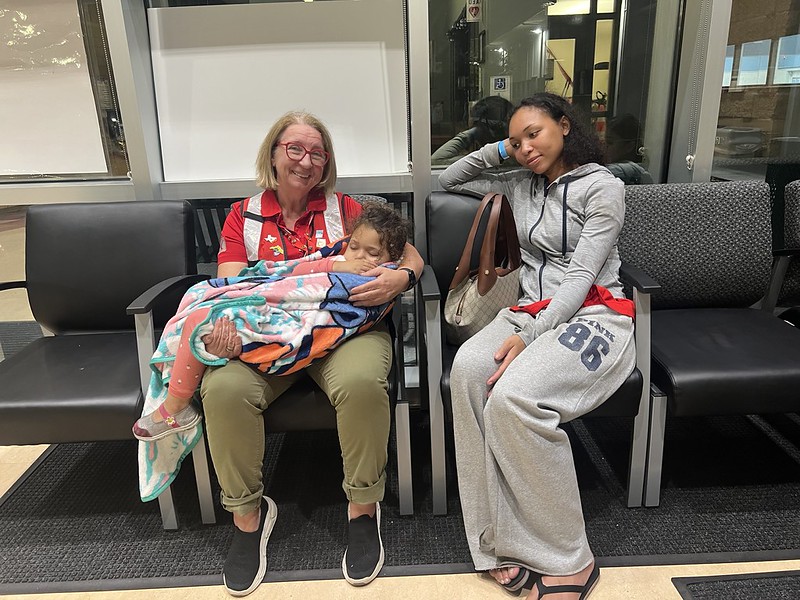
Red Crosser Rux Muys-Stoian (left) with little Isela and her mother Paris. They were happy to find help at the shelter after a fire forced them out of their home. “The meals are what I am thankful for,” Paris said. Photo by Fernando Elias, American Red Cross
By Diane St. Denis, Disaster Response Operation director
On September 25, 2025, the Silicon Valley Red Cross Disaster Action Team responded to a 22-unit apartment fire in San José that displaced more than 70 residents. American Red Cross volunteers arrived on the scene to comfort affected residents, while other Red Cross volunteers, in cooperation with the City of San José, opened a shelter at Camden Community Center, offering families a safe place to rest, have warm meals and snacks and most importantly, connections to Red Cross services to support their recovery journey.
A Staff Planning and Support Service Associate Feature
Neil went the extra mile to help set up a shelter in the middle of the night
You may have seen American Red Crossers on the news handing out food or welcoming people into disaster shelters. But you may not have seen the countless volunteers working tirelessly behind the scenes of a disaster response. Staff Planning and Support Service Associate Neil Katin is one of those people.
Neil has responded 39 times to disasters, big and small, in-person and virtually, to be the first and last Red Crosser that volunteers speak with during their deployment.
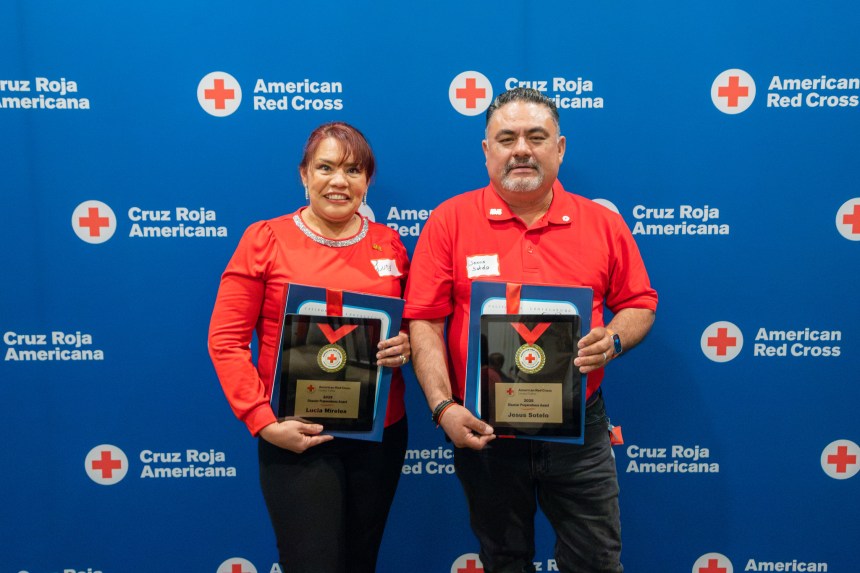
When disaster strikes, Jesús Sotelo doesn’t hesitate — he acts.
Born in Acapulco, Guerrero, México, Jesús grew up in a community where music, faith and service were deeply woven into everyday life. In the 1980s, he and a group of friends formed “Lobos,” an informal volunteer team that assisted people in crisis. Their efforts led them to collaborate with Protección Civil and receive training from the Cruz Roja Mexicana, where Jesús learned paramedic-style skills and embraced a guiding principle: “If there is an accident, you must help.”
Though he didn’t pursue a formal paramedic career, Jesús’ dedication to helping others never wavered. That same spirit followed him when he moved to the United States. What began as a temporary stay became permanent—and so did his desire to serve. Despite language barriers and unfamiliar systems, Jesús found his way to the American Red Cross, applying online and quickly becoming a trusted volunteer at shelters, community events and training sessions.
“You don’t need permission,” he said. “Just ask, ‘What’s next?’ and get involved.”
Jesús’ journey took a challenging turn when he became seriously ill. Hospitalized for two weeks, he was diagnosed with prostate cancer. The treatments were grueling, but his resolve remained strong.
“You have two paths,” he explained. “Surrender or fight. I choose to fight.”
Faith and family became his anchors. His wife and fellow Red Cross volunteer became a pillar of support, and his pastoral studies gave him strength. Even during treatment, Jesús continued volunteering. His service became a source of healing and purpose.
“What you do matters. Even when it’s hard. Even when you’re scared.”
Jesús’ story is a powerful reflection of Hispanic heritage — not just through tradition, but through action. His presence at the Red Cross helps bridge cultural and language gaps, offering comfort and connection to Spanish-speaking communities. He hopes to see more Latinos step into service, not only as volunteers, but as leaders too.
He’s received medals and local honors, but for Jesús, the true reward is knowing he made a difference. He dreams of one day becoming a Red Cross employee and writing a book that shares his journey and inspires others.
“Live in the present,” he said. “This moment is the only life we have. Serving with humility is a powerful legacy. Faith without action is not enough. If you believe, act.”
Jesús didn’t wait for perfect conditions, and you don’t have to either. Whether you speak Spanish or English, whether you’re new to volunteering or have years of experience, your help is greatly needed.
Join Jesús and thousands of others making a difference. Visit redcross.org/volunteer to sign up today.
Co-authored by Channa Sweet and Jill Feldon LaNouette
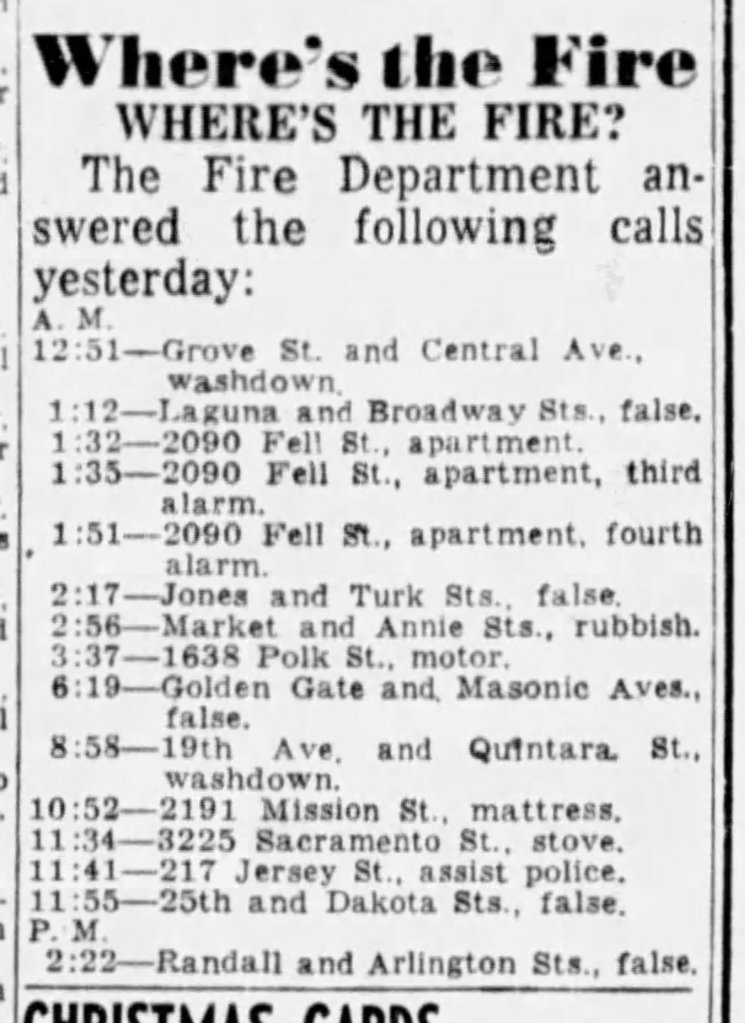
October 20, 1957 newspaper clippings of the 4-alarm fire that took place on Fell St. Credit: The San Francisco Examiner // Archives
Carol awoke at 2 a.m. to an unimaginable scene unfolding in front of her. She was trapped in a room with smoke burning her nose and flames licking at the door. Unable to leave through her bedroom door, she climbed out her window and escaped from the third floor down an already burning fire escape. With singed hair and bare feet firmly planted on the cold ground, she stood across the street feeling like she was “watching her whole life burn away.”
Maria Stevens believes that through adversity, we build strength. Her journey began long before she joined the American Red Cross as a Community Disaster Program Manager (CDPM) in 2023.
At just 8 years old, Maria and her family moved from their comfortable home in Mexico to Downey, Calif., as political refugees. They had to start anew with little support, and Maria witnessed her parents work tirelessly to provide for their family. Determined to succeed, she focused on her education, conquering the challenges that immigrant families often face.
“It was humbling to come from Mexico to the US, where we had nothing.”
At 14, inspired by her parents’ relentless work ethic, Maria took her first job as a lifeguard. This decision marked her introduction to the American Red Cross, where she earned her swim instructor certification—a connection that would later return when her own children grew older.
“The hardships taught me resiliency.”
With her understanding of resiliency, Maria dedicated herself to helping others at a mental health organization before she found her way to the Red Cross.
“I learned to see people for who they are, and not for the mistakes they made.”
After 11 years working in mental health, her daughter approached her with an interest in being a lifeguard. Maria knew the perfect place to start.
Soon after, Maria applied for the CDPM position, and within 7 months, she was promoted to her current position as Community Disaster Risk Reduction Coordinator serving Tulare County.
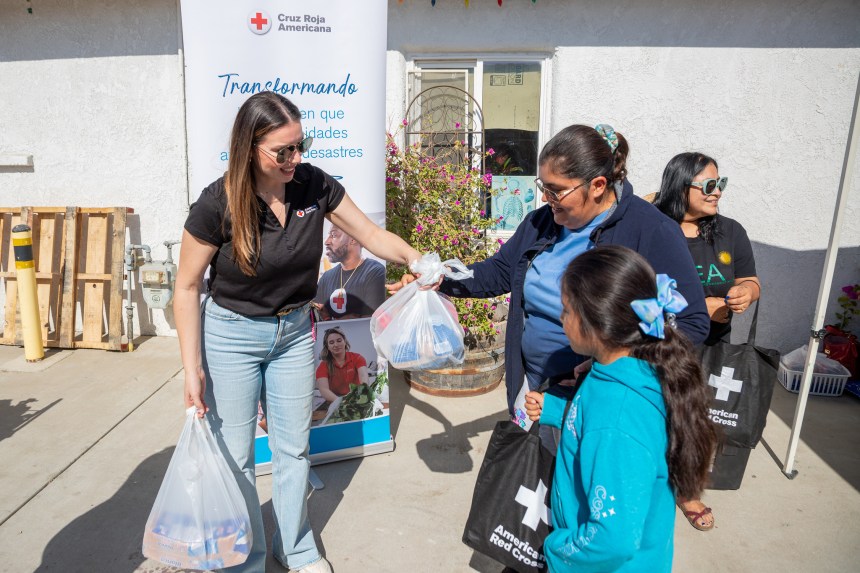
Maria is deeply committed to supporting and equipping Tulare County through the Community Adaptation Program (CAP). This initiative connects with local non-profits, focusing on preparing smaller or rural communities for potential challenges, ensuring they are ready for any disaster.
Soon after her hiring, Maria faced her first disaster during the devastating flooding in Tulare County. Her dedication shone as she worked tirelessly. This experience sparked her passion for disaster work, resulting in two additional deployments.
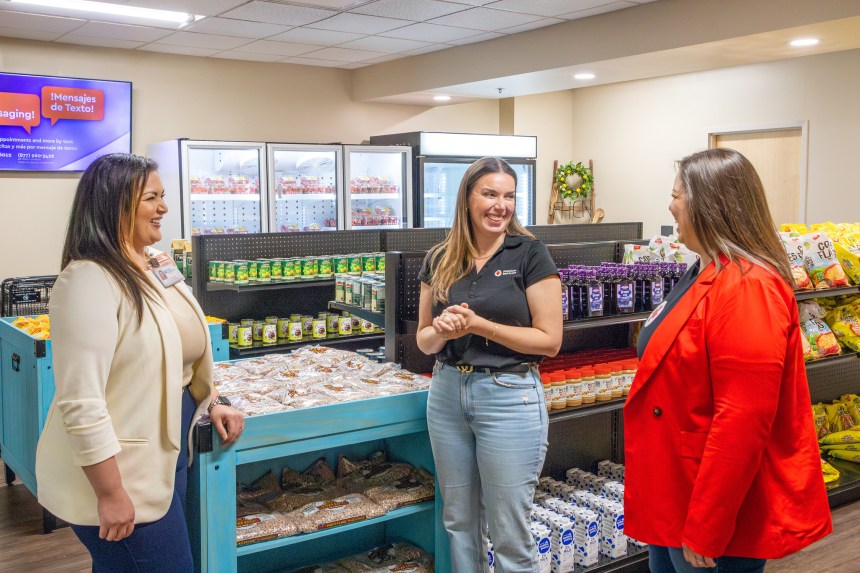
Maria knows this job was meant for her. Many communities have a difficult time trusting outsiders, but Maria is proud that she has been able to break down barriers between herself and those in rural communities. As a bilingual individual, she can easily communicate with Spanish speakers, and through her childhood experience, she understands their initial hesitation. Maria’s also been working on breaking down the language barrier for languages she does not speak by purchasing a translation device.
“Disasters do not discriminate on race, gender, or social status; anybody can be affected by something.”
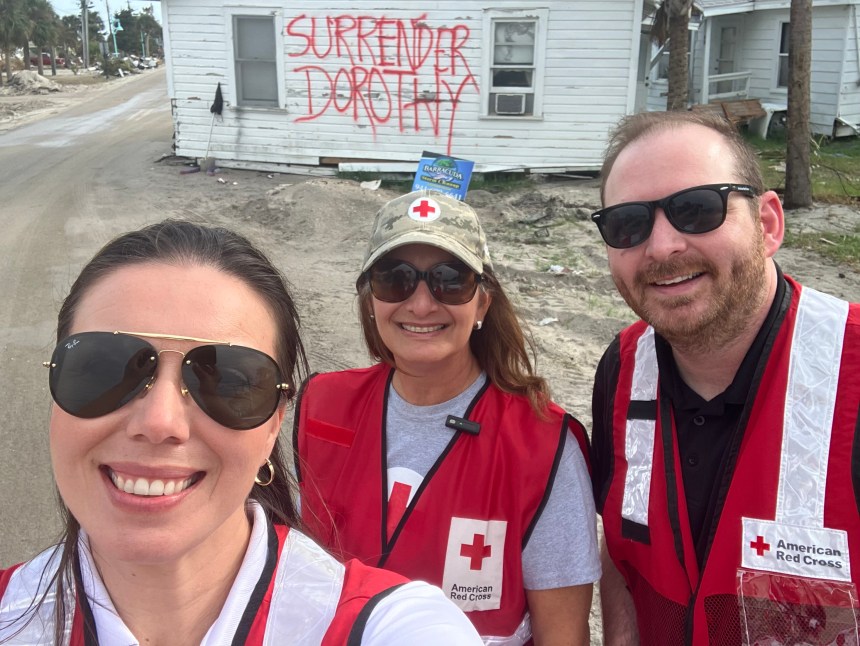
During Maria’s deployment to Hurricane Milton, she took on the role of disaster assessment. What she witnessed stuck with her. In one neighborhood on the side of a white house, was written out in red paint, ‘Surrender Dorothy.’ Maria witnessed how the neighborhood continued to persevere even through the devastating effects of Milton.
“Even when there are challenges, get up and shake it off.”
Maria has faced each of life’s challenges with the same resiliency she learned from her parents all those years ago. Maria is an excellent example of the unwavering dedication Red Cross staff and volunteers have in keeping our communities safe and prepared.
This Hispanic Heritage Month, let’s celebrate Maria’s story and the legacy she continues to build, a legacy rooted in compassion, connection and service.