
The Oakland Firestorm: How One Volunteer Turned Personal Tragedy into Community Service
By Anton Ghosh, American Red Cross Volunteer
In October 1991, the Tunnel Fire tore through the Oakland Hills in California, killing 25 people and injuring 150 others. The first sign that something was wrong that day was a helicopter whirling overhead while dipping water out of Lake Temescal, recalls Matthew Fryer, who lived nearby. “I drove to investigate and saw that there was a fire on the side of the road, not far away,” he said. Eventually, a police car drove by announcing everyone had to evacuate.
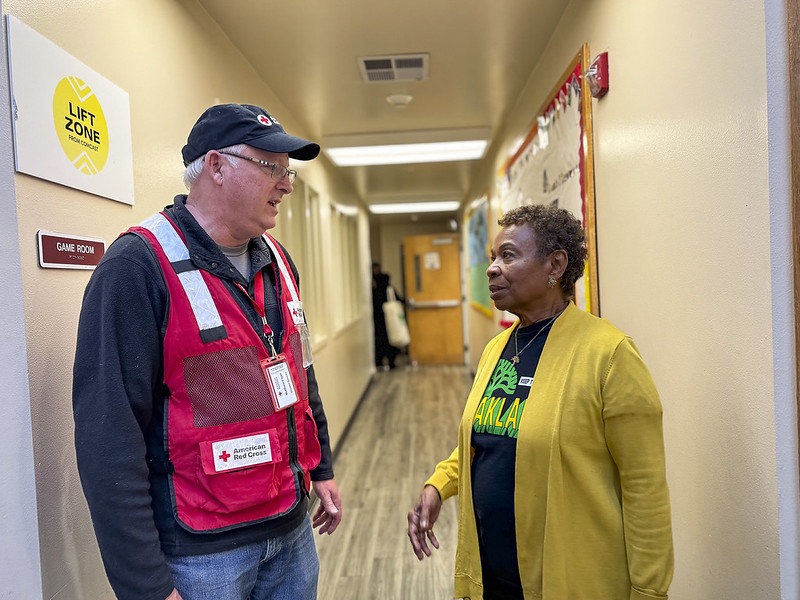
Matt’s girlfriend helped him pack. He jokes that she packed only the clothes she liked, “leaving my favorite velour shirt!” Matt hosed down his plants and yard until the water stopped working and they fled to his brother’s house a couple of miles away. From there, they watched the fire wreak havoc.
Matt returned to his apartment several days later. “My place was gone,” he remembers. “A car that had been in the garage underneath it had burned and the engine block melted and pooled like it was wax. My dad kept a piece of it on his desk for years.” Matt had lost nearly everything, including all the photographs of his mother, who died when he was 15.

In the aftermath, the community rallied around the families affected. A local store offered steep discounts on new clothes. Matt found a new wardrobe there (but no velour shirt!). Matt also received immediate and additional assistance from the American Red Cross, his first meaningful encounter with the organization and its mission.
Nearly 30 years passed until Matt crossed paths with the Red Cross again. Another crisis was hitting, this time of global proportions. As Matt explains, “I started volunteering for the Red Cross in 2020. I saw an ad on my phone asking for volunteers to drive blood [from donation centers to hospitals]. COVID was just hitting and, instead of a ride along, the volunteer that trained me followed in a separate vehicle,” he explains, recalling the need to maintain distancing requirements in the county. Before long, Matt’s involvement as a volunteer expanded.
A call from another volunteer that same year persuaded Matt to train as a disaster shelter volunteer. Matt initially deployed to Raleigh, NC ahead of Hurricane Isaias. However, the hurricane unexpectedly changed course and the Red Cross shelter never opened.
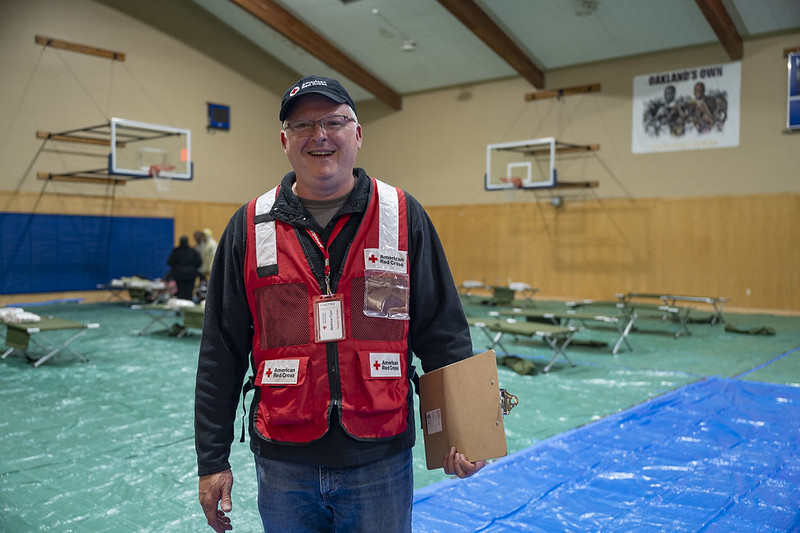
Instead, Matt’s first real sheltering deployment brought him back to a disaster he knew intimately: wildfires. During the 2020 CZU Lightning Complex wildfires in Santa Cruz, Matt found himself on the other side of the experience that had shaped his life three decades ago. As Matt explains, “This time I wasn’t just watching it burn. I was doing something to help.” Matt’s experience had come full circle, from losing his home in a wildfire to helping others overcome their own losses in a wildfire.
Since then, Matt has responded to myriad other emergencies, mostly wildfires. His personal history has prepared him well to connect with survivors in a way that training alone cannot. “When deploying to fires, I’m asked more often than not if I know what it’s like to lose a home in a fire and I can say that I do,” Matt explains.
Since then, Matt has spent time as a Red Cross Mass Care Coordinator, a Disaster Action Team Supervisor, supporting response efforts for local emergencies such as home fires, and an installer of free smoke alarms during Sound the Alarm events.
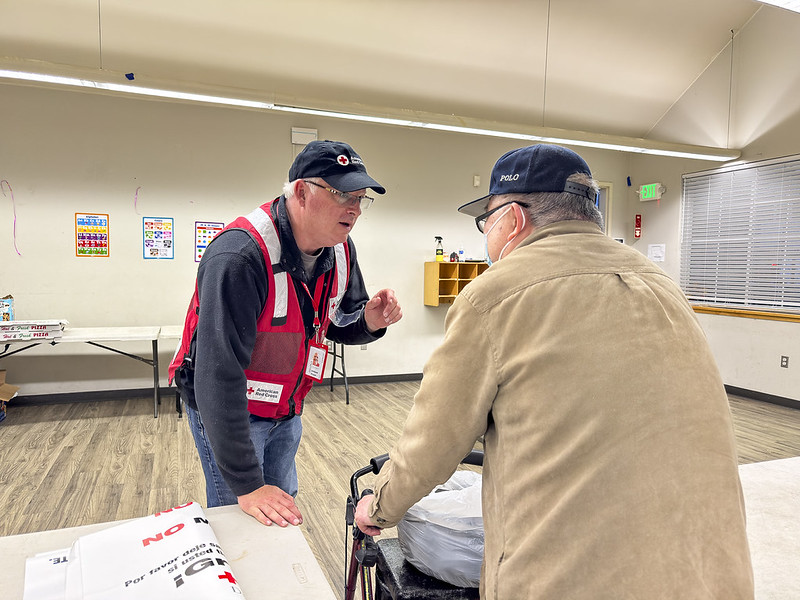
These experiences have shaped Matt’s deep, personal commitment to emergency preparedness. Today, he once again lives in the Oakland Hills, but this time, he has installed wildfire sprinklers around his home. His neighborhood also takes wildfire mitigation seriously. They regularly clear vegetation, participate in preparedness efforts and educate neighbors about reducing risks.
For Matt, preparedness is not only about protecting property, however. It’s also about preparing for evacuation. “Deciding what to take if you have to evacuate is something to do long before you have to evacuate,” he says. He sometimes thinks about the photographs of his mother that he lost in the Tunnel Fire, irreplaceable reminders of why evacuation planning must occur well in advance.

