By Alvaro Martinez and Mason Hodges, Communications Volunteers
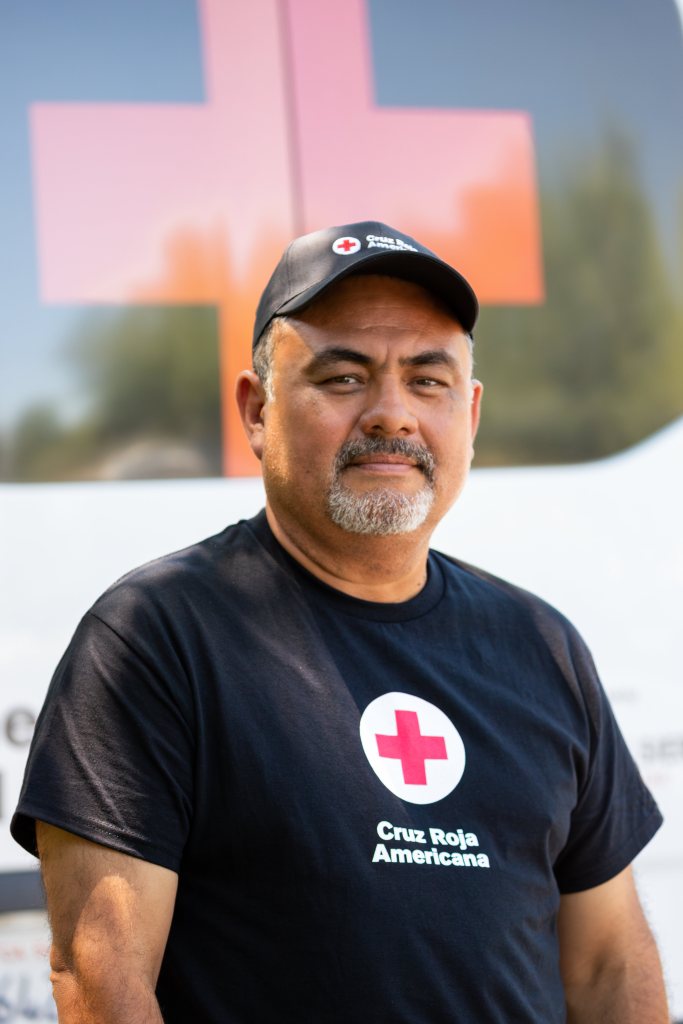
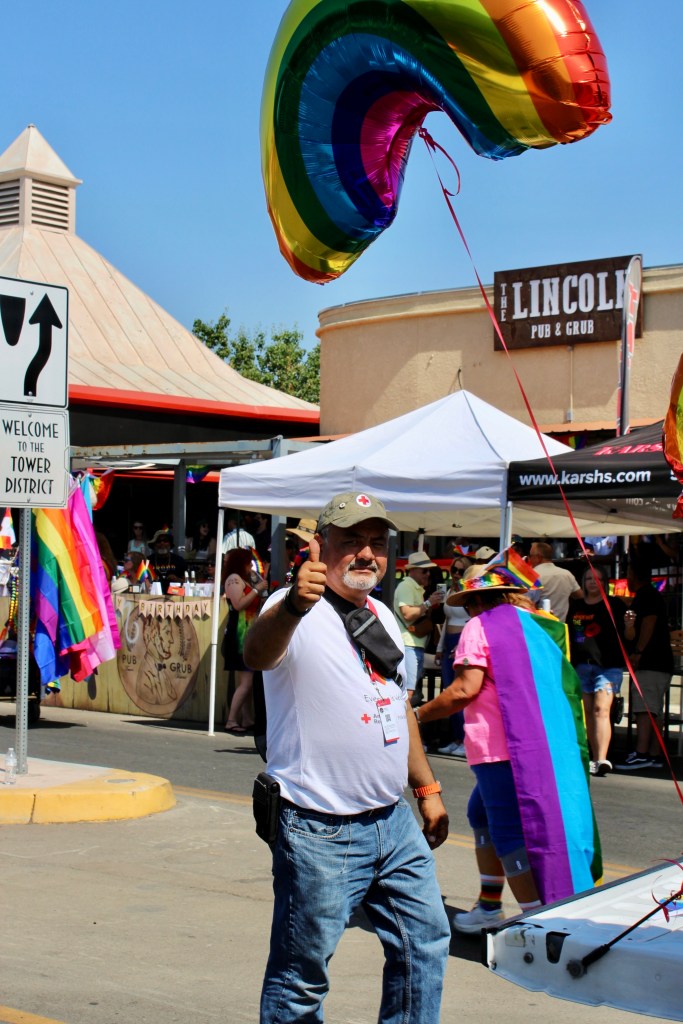
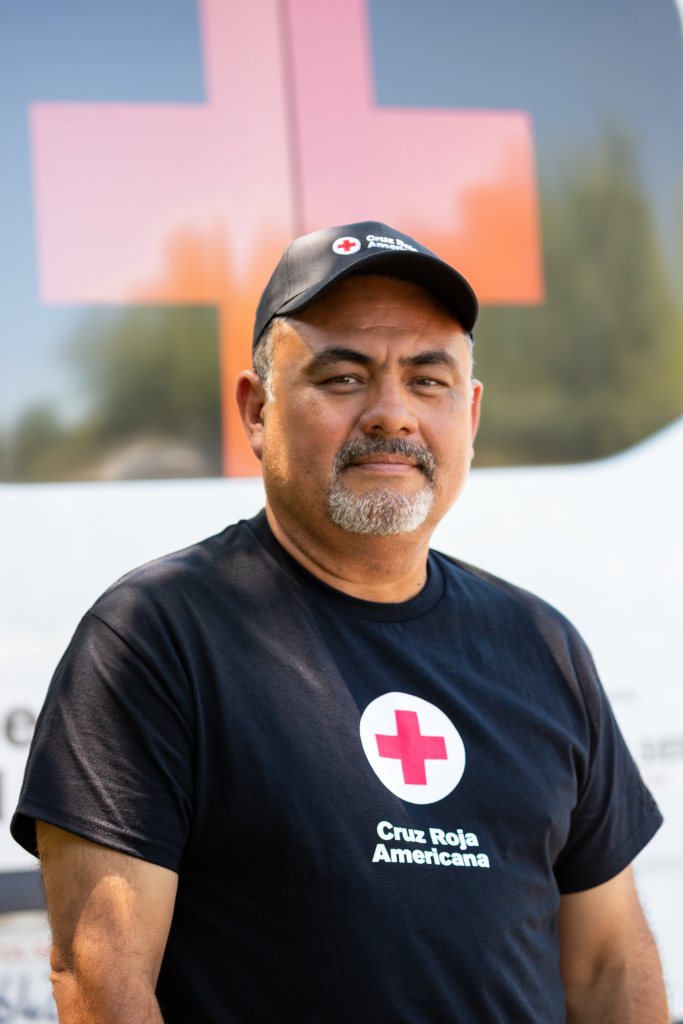
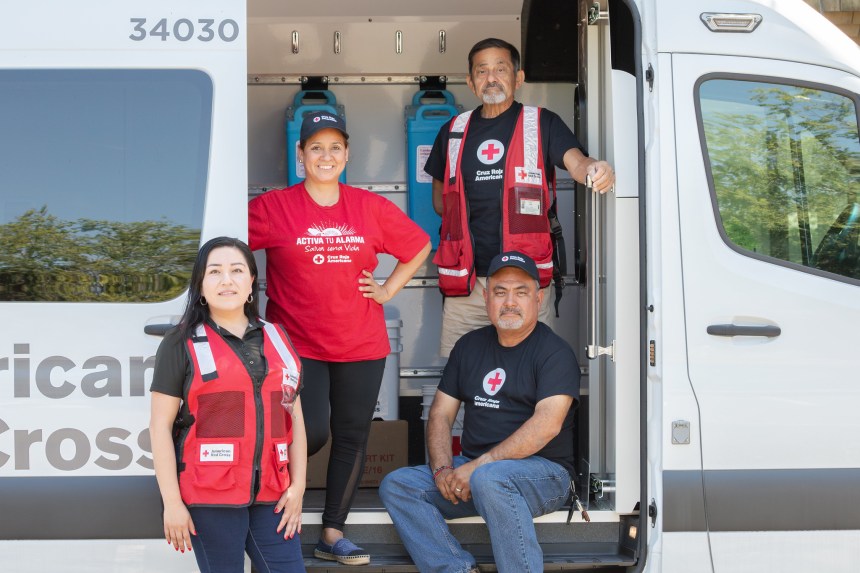
When disaster strikes, Jesús Sotelo doesn’t hesitate — he acts.
Born in Acapulco, Guerrero, México, Jesús grew up in a community where music, faith and service were deeply woven into everyday life. In the 1980s, he and a group of friends formed “Lobos,” an informal volunteer team that assisted people in crisis. Their efforts led them to collaborate with Protección Civil and receive training from the Mexican Red Cross, where Jesús learned paramedic-style skills and embraced a guiding principle: “If there is an accident, you must help.”
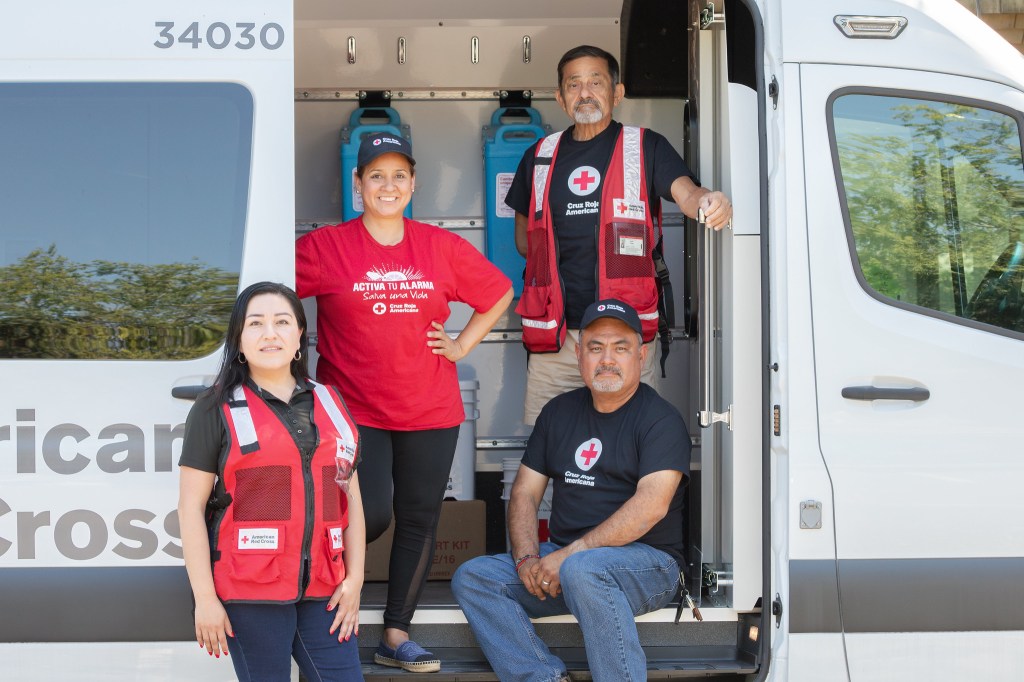
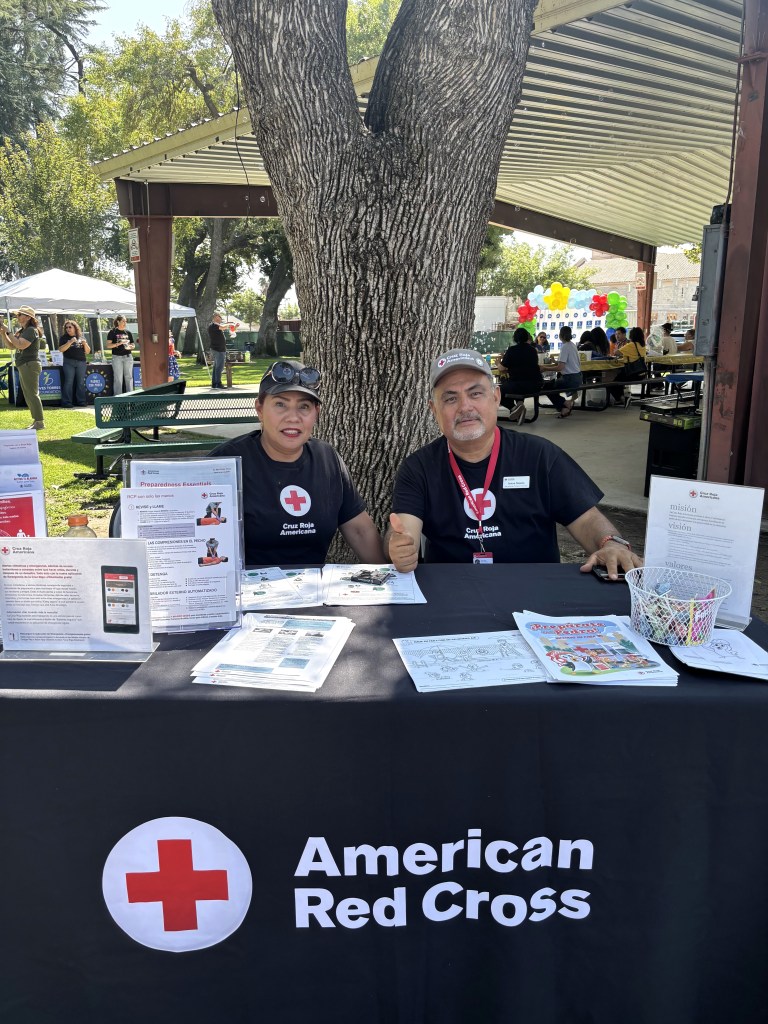
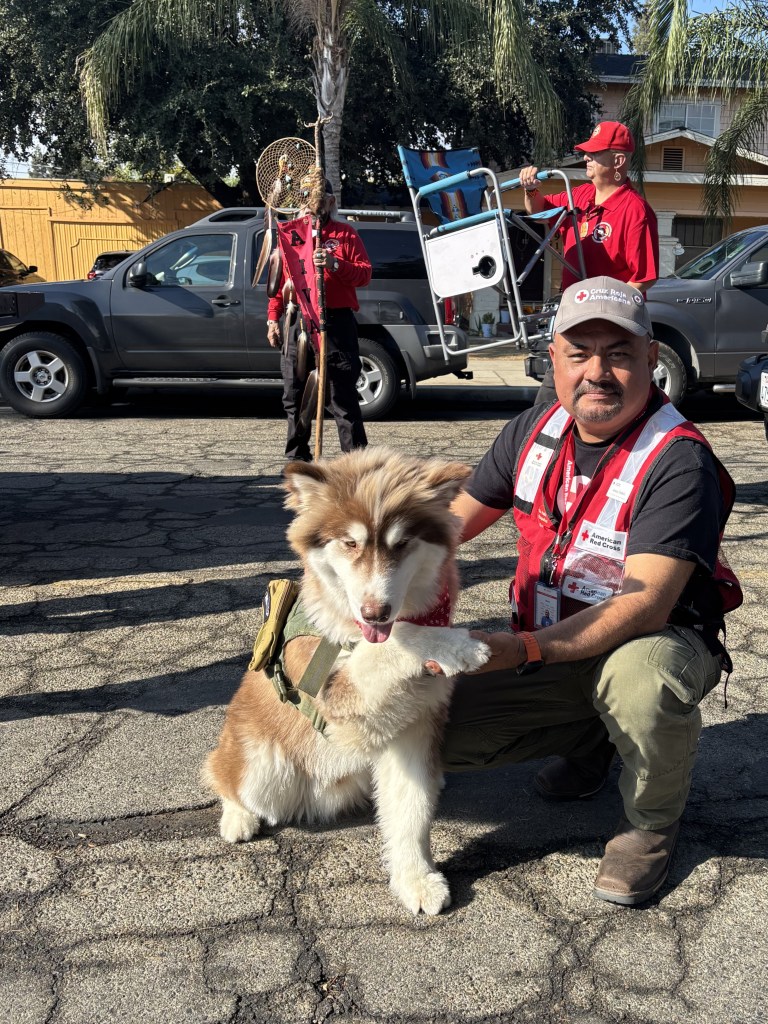
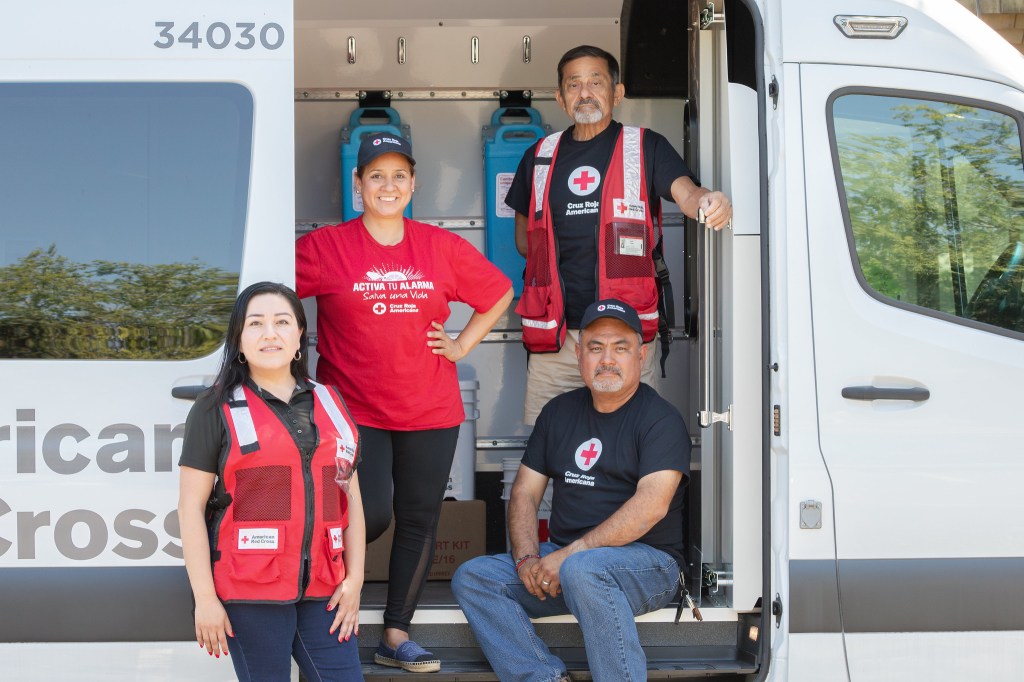
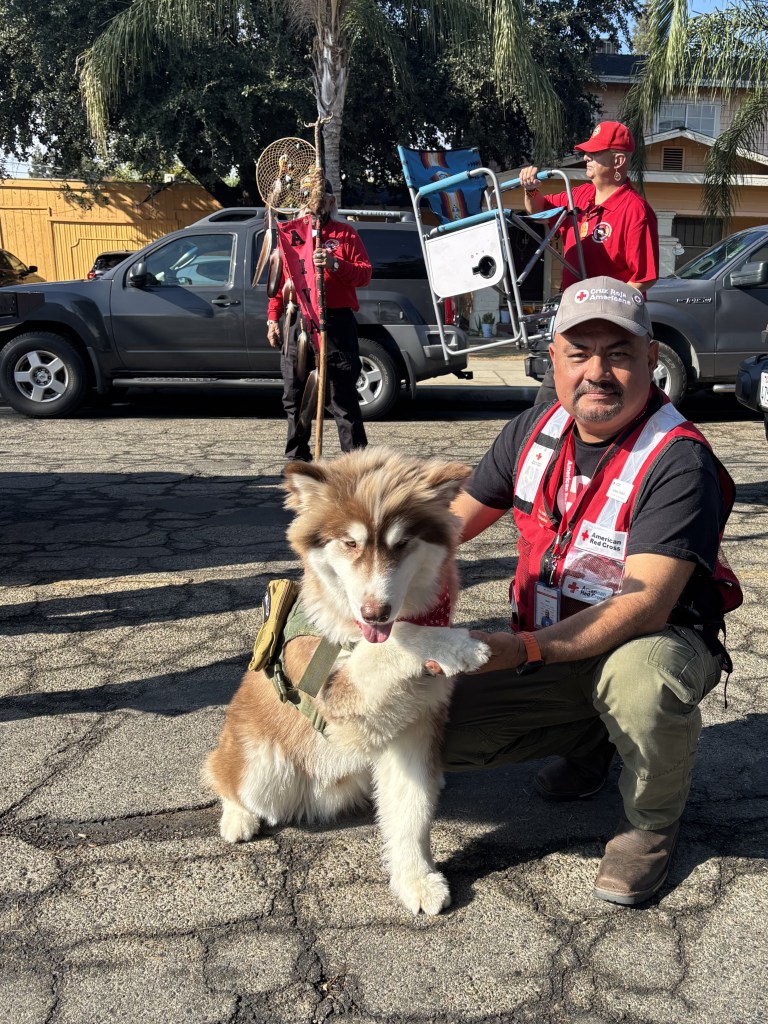
Though he didn’t pursue a formal paramedic career, Jesús’ dedication to helping others never wavered. That same spirit followed him when he moved to the United States. What began as a temporary stay became permanent—and so did his desire to serve. Despite language barriers and unfamiliar systems, Jesús found his way to the American Red Cross, applying online and quickly becoming a trusted volunteer at shelters, community events and training sessions.
“You don’t need permission,” he said. “Just ask, ‘What’s next?’ and get involved.”
Jesús’ journey took a challenging turn when he became seriously ill. Hospitalized for two weeks, he was diagnosed with prostate cancer. The treatments were grueling, but his resolve remained strong.
“You have two paths,” he explained. “Surrender or fight. I choose to fight.”
Faith and family became his anchors. His wife, a fellow Red Cross volunteer, became a pillar of support, and his pastoral studies gave him strength. Even during treatment, Jesús continued volunteering. His service became a source of healing and purpose.
“What you do matters. Even when it’s hard. Even when you’re scared.”
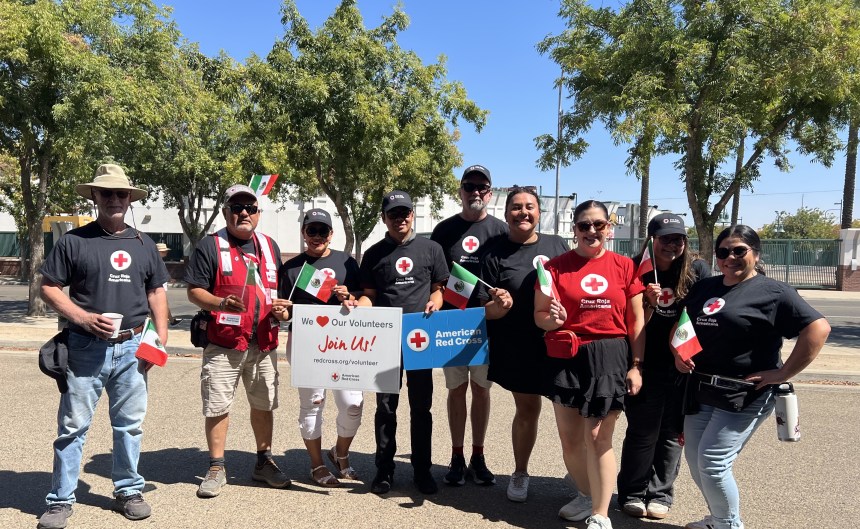
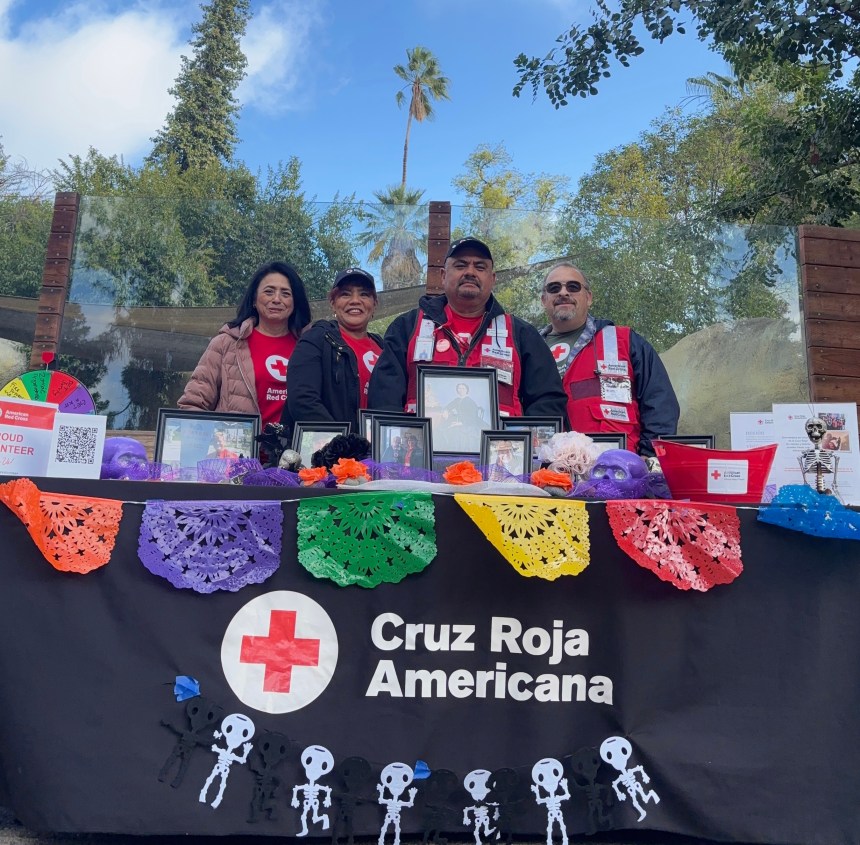
Jesús’ story is a powerful reflection of Hispanic heritage — not just through tradition, but through action. His presence at the Red Cross helps bridge cultural and language gaps, offering comfort and connection to Spanish-speaking communities. He hopes to see more Latinos step into service, not only as volunteers, but as leaders too.
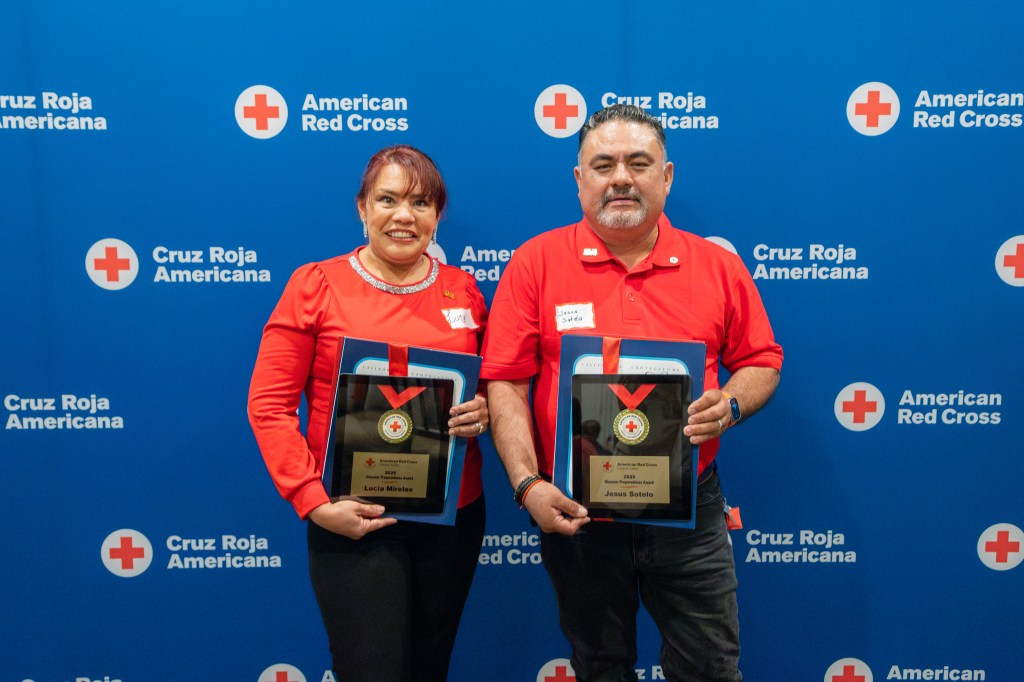
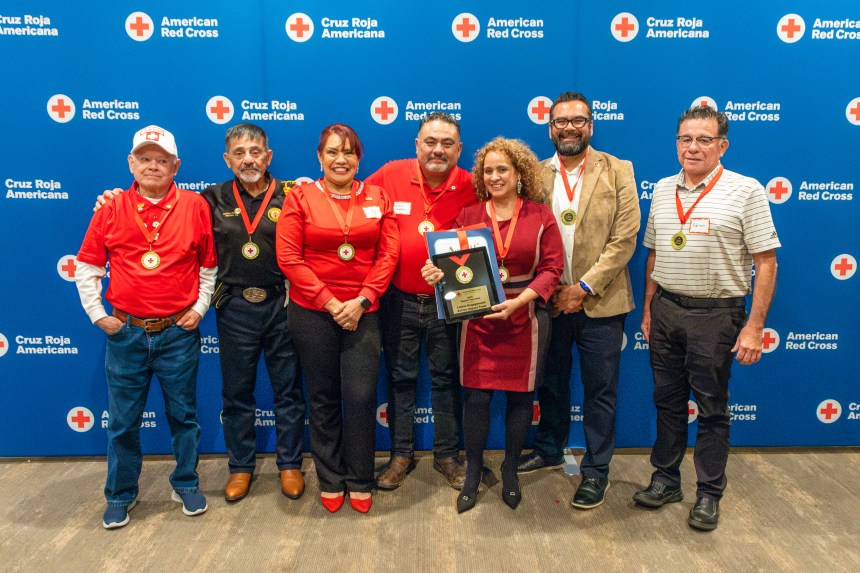
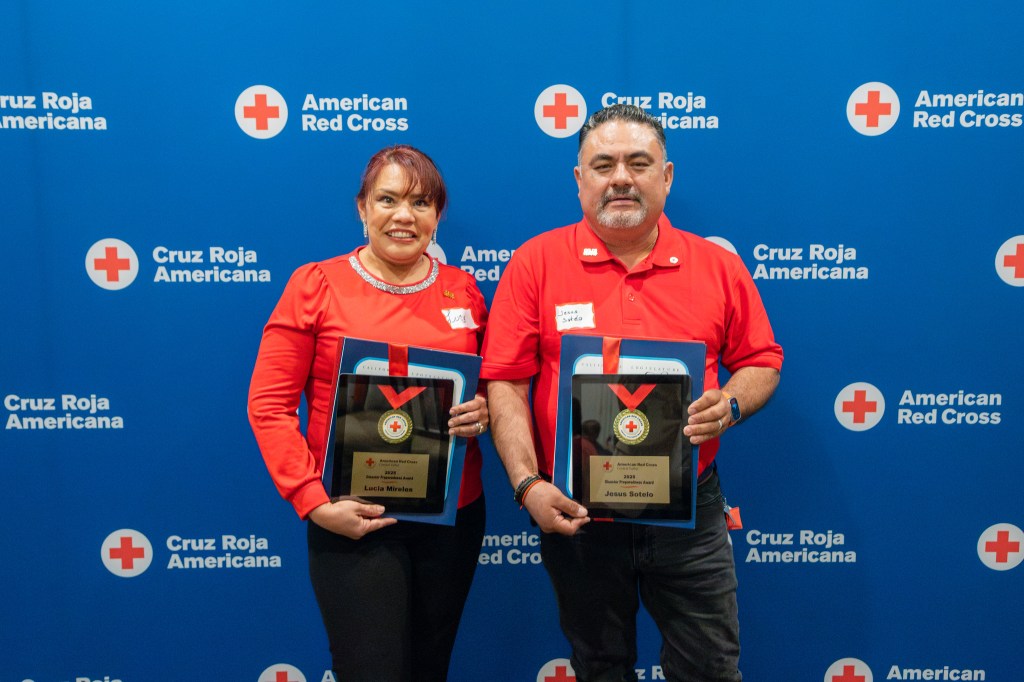
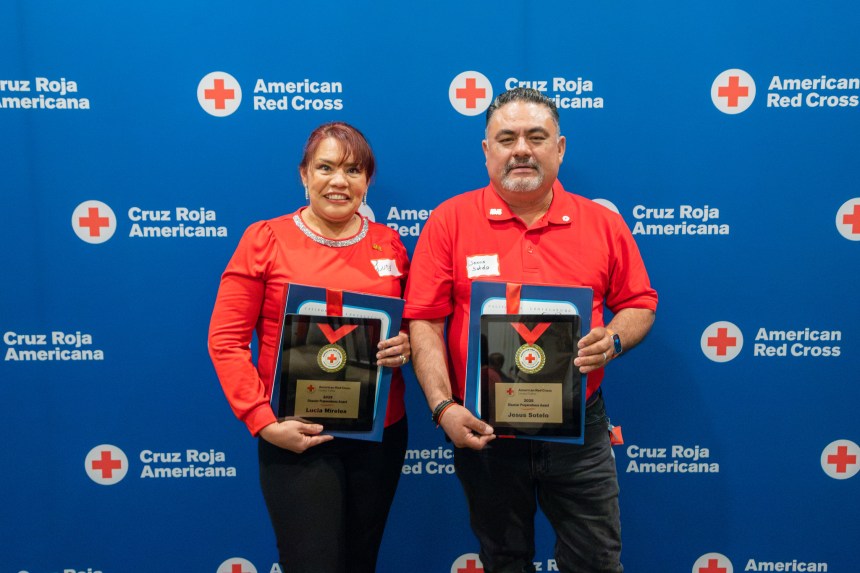
He’s received medals and local honors, but for Jesús, the true reward is knowing he made a difference. He dreams of one day becoming a Red Cross employee and writing a book that shares his journey and inspires others.
“Live in the present,” he said. “This moment is the only life we have. Serving with humility is a powerful legacy. Faith without action is not enough. If you believe, act.”
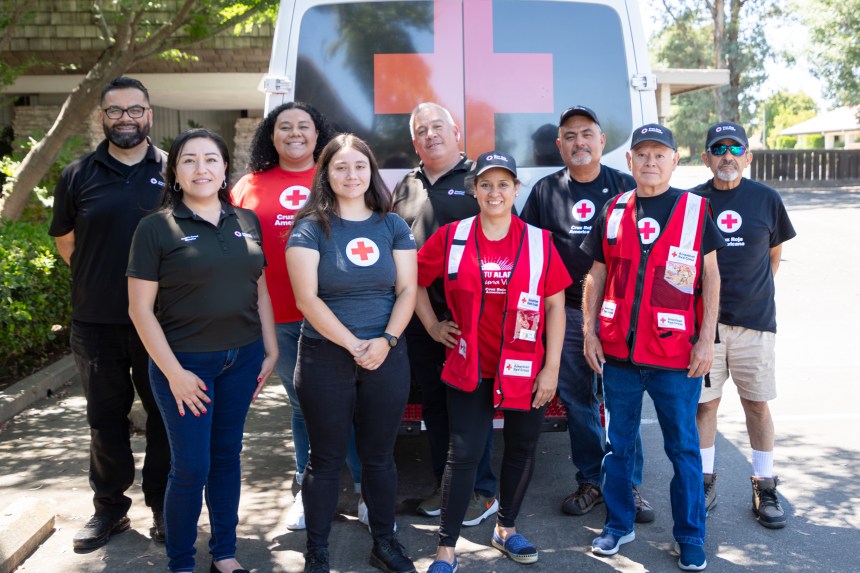
Jesús didn’t wait for perfect conditions, and you don’t have to either. Whether you speak Spanish or English, whether you’re new to volunteering or have years of experience, your help is greatly needed.
Join Jesús and thousands of others making a difference. Visit redcross.org/volunteer to sign up today.
Por Alvaro Martinez y Mason Hodges, voluntarios de comunicaciones
Cuando ocurre un desastre, Jesús Sotelo no lo duda: actúa.
Nacido en Acapulco, Guerrero, México, Jesús creció en una comunidad donde la música, la fe y el servicio estaban profundamente entrelazados en la vida cotidiana. En los años 80, él y un grupo de amigos formaron «Lobos», un equipo informal de voluntarios que ayudaba a personas en crisis. Sus esfuerzos los llevaron a colaborar con Protección Civil y recibir capacitación de la Cruz Roja Mexicana, donde Jesús aprendió habilidades tipo paramédico y adoptó un principio rector: «Si hay un accidente, debes ayudar».
Aunque no siguió una carrera formal como paramédico, su dedicación a ayudar a los demás nunca flaqueó. Ese mismo espíritu lo acompañó cuando se mudó a Estados Unidos. Lo que comenzó como una estadía temporal se volvió permanente—y también su deseo de servir. A pesar de las barreras del idioma y los sistemas desconocidos, Jesús encontró su camino hacia la Cruz Roja Americana, solicitando en línea y convirtiéndose rápidamente en un voluntario confiable en refugios, eventos comunitarios y sesiones de capacitación.
«No necesitas permiso», dijo. «Solo pregunta, ‘¿Qué sigue?’ y participa».
El camino de Jesús tomó un giro desafiante cuando se enfermó gravemente. Hospitalizado durante dos semanas, fue diagnosticado con cáncer de próstata. Los tratamientos fueron agotadores, pero su determinación permaneció firme.
«Tienes dos caminos», dijo. «Rendirse o luchar. Yo elijo luchar».
La fe y la familia se convirtieron en sus pilares. Su esposa Lucia, también voluntaria de la Cruz Roja, fue un apoyo fundamental, y sus estudios pastorales le dieron fortaleza. Incluso durante el tratamiento, Jesús continuó ofreciendo su servicio. Su voluntariado se convirtió en una fuente de sanación y propósito.
«Lo que haces importa. Incluso cuando es difícil. Incluso cuando tienes miedo».
La historia de Jesús es un reflejo poderoso de la herencia hispana, no solo a través de la tradición, sino mediante la acción. Su presencia en la Cruz Roja ayuda a cerrar brechas culturales y lingüísticas, ofreciendo consuelo y conexión a las comunidades de habla hispana. Él espera ver a más latinos involucrarse en el servicio, no solo como voluntarios, sino como líderes.
Ha recibido medallas y reconocimientos locales, pero para Jesús, la verdadera recompensa es saber que hizo una diferencia. Sueña con convertirse algún día en empleado de la Cruz Roja y escribir un libro que comparta su trayectoria e inspire a otros.
«Vive en el presente», dijo. «Este momento es la única vida que tenemos. Servir con humildad es un legado poderoso. La fe sin acción no es suficiente. Si crees, actúa».
Jesús no esperó condiciones perfectas, y tú tampoco tienes que hacerlo. Ya sea que hables español o inglés, seas nuevo en el voluntariado o tengas años de experiencia, tu ayuda es muy necesaria.
Únete a Jesús y a miles de personas que están marcando la diferencia. Visita redcross.org/cruzroja para inscribirte hoy.
When disaster strikes, Jesús Sotelo doesn’t hesitate — he acts.
Born in Acapulco, Guerrero, México, Jesús grew up in a community where music, faith and service were deeply woven into everyday life. In the 1980s, he and a group of friends formed “Lobos,” an informal volunteer team that assisted people in crisis. Their efforts led them to collaborate with Protección Civil and receive training from the Cruz Roja Mexicana, where Jesús learned paramedic-style skills and embraced a guiding principle: “If there is an accident, you must help.”
Though he didn’t pursue a formal paramedic career, Jesús’ dedication to helping others never wavered. That same spirit followed him when he moved to the United States. What began as a temporary stay became permanent—and so did his desire to serve. Despite language barriers and unfamiliar systems, Jesús found his way to the American Red Cross, applying online and quickly becoming a trusted volunteer at shelters, community events and training sessions.
“You don’t need permission,” he said. “Just ask, ‘What’s next?’ and get involved.”
Jesús’ journey took a challenging turn when he became seriously ill. Hospitalized for two weeks, he was diagnosed with prostate cancer. The treatments were grueling, but his resolve remained strong.
“You have two paths,” he explained. “Surrender or fight. I choose to fight.”
Faith and family became his anchors. His wife and fellow Red Cross volunteer became a pillar of support, and his pastoral studies gave him strength. Even during treatment, Jesús continued volunteering. His service became a source of healing and purpose.
“What you do matters. Even when it’s hard. Even when you’re scared.”
Jesús’ story is a powerful reflection of Hispanic heritage — not just through tradition, but through action. His presence at the Red Cross helps bridge cultural and language gaps, offering comfort and connection to Spanish-speaking communities. He hopes to see more Latinos step into service, not only as volunteers, but as leaders too.
He’s received medals and local honors, but for Jesús, the true reward is knowing he made a difference. He dreams of one day becoming a Red Cross employee and writing a book that shares his journey and inspires others.
“Live in the present,” he said. “This moment is the only life we have. Serving with humility is a powerful legacy. Faith without action is not enough. If you believe, act.”
Jesús didn’t wait for perfect conditions, and you don’t have to either. Whether you speak Spanish or English, whether you’re new to volunteering or have years of experience, your help is greatly needed.
Join Jesús and thousands of others making a difference. Visit redcross.org/volunteer to sign up today.
Maria Stevens believes that through adversity, we build strength. Her journey began long before she joined the American Red Cross as a Community Disaster Program Manager (CDPM) in 2023.
At just 8 years old, Maria and her family moved from their comfortable home in Mexico to Downey, Calif., as political refugees. They had to start anew with little support, and Maria witnessed her parents work tirelessly to provide for their family. Determined to succeed, she focused on her education, conquering the challenges that immigrant families often face.
“It was humbling to come from Mexico to the US, where we had nothing.”
At 14, inspired by her parents’ relentless work ethic, Maria took her first job as a lifeguard. This decision marked her introduction to the American Red Cross, where she earned her swim instructor certification—a connection that would later return when her own children grew older.
“The hardships taught me resiliency.”
With her understanding of resiliency, Maria dedicated herself to helping others at a mental health organization before she found her way to the Red Cross.
“I learned to see people for who they are, and not for the mistakes they made.”
After 11 years working in mental health, her daughter approached her with an interest in being a lifeguard. Maria knew the perfect place to start.
Soon after, Maria applied for the CDPM position, and within 7 months, she was promoted to her current position as Community Disaster Risk Reduction Coordinator serving Tulare County.
Maria is deeply committed to supporting and equipping Tulare County through the Community Adaptation Program (CAP). This initiative connects with local non-profits, focusing on preparing smaller or rural communities for potential challenges, ensuring they are ready for any disaster.
Soon after her hiring, Maria faced her first disaster during the devastating flooding in Tulare County. Her dedication shone as she worked tirelessly. This experience sparked her passion for disaster work, resulting in two additional deployments.
Maria knows this job was meant for her. Many communities have a difficult time trusting outsiders, but Maria is proud that she has been able to break down barriers between herself and those in rural communities. As a bilingual individual, she can easily communicate with Spanish speakers, and through her childhood experience, she understands their initial hesitation. Maria’s also been working on breaking down the language barrier for languages she does not speak by purchasing a translation device.
“Disasters do not discriminate on race, gender, or social status; anybody can be affected by something.”
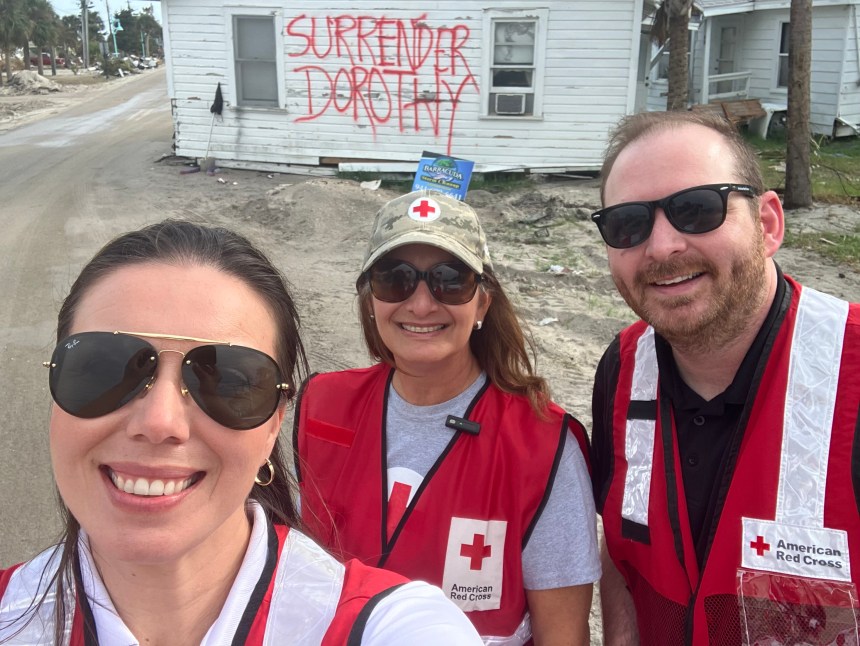
During Maria’s deployment to Hurricane Milton, she took on the role of disaster assessment. What she witnessed stuck with her. In one neighborhood on the side of a white house, was written out in red paint, ‘Surrender Dorothy.’ Maria witnessed how the neighborhood continued to persevere even through the devastating effects of Milton.
“Even when there are challenges, get up and shake it off.”
Maria has faced each of life’s challenges with the same resiliency she learned from her parents all those years ago. Maria is an excellent example of the unwavering dedication Red Cross staff and volunteers have in keeping our communities safe and prepared.
This Hispanic Heritage Month, let’s celebrate Maria’s story and the legacy she continues to build, a legacy rooted in compassion, connection and service.
Lives Saved in the Parking Lot: Red Cross Donates Shuttle Carts to Care for Local Veterans
“I truly love the American Red Cross and all of the work they do for our community, but especially the way they serve veterans through the Service to the Armed Forces.” – Mary Golden, VA Central California Health Care System
In a powerful show of unity and commitment to serving veterans, the American Red Cross and the VA Central California Health Care System have joined forces to support America’s heroes.
For over 140 years, the Red Cross has cared for the humanitarian needs of the U.S. military community through every phase of duty, both at home and around the world. Locally, this mission continues through a long-standing partnership with the VA Central California Health Care System, providing comfort and care to veterans, families and their caregivers.
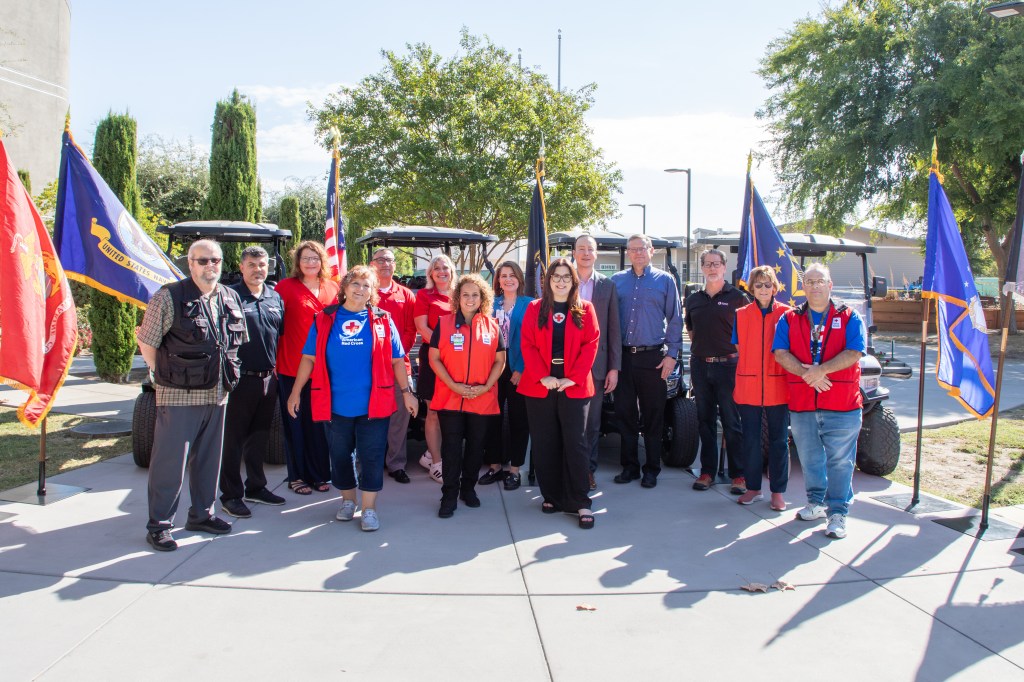
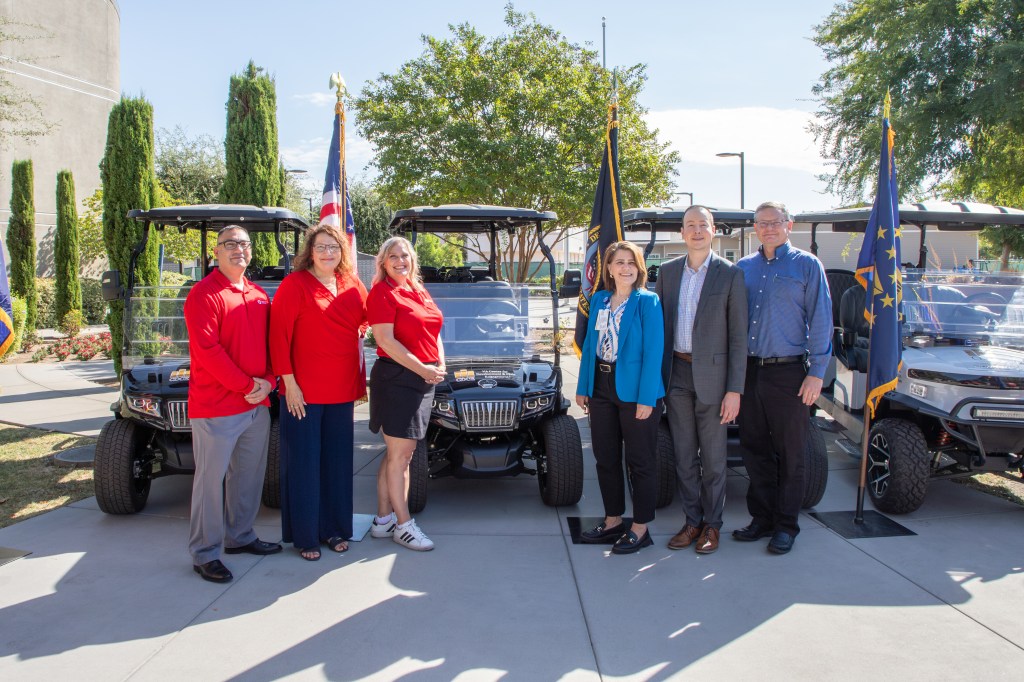
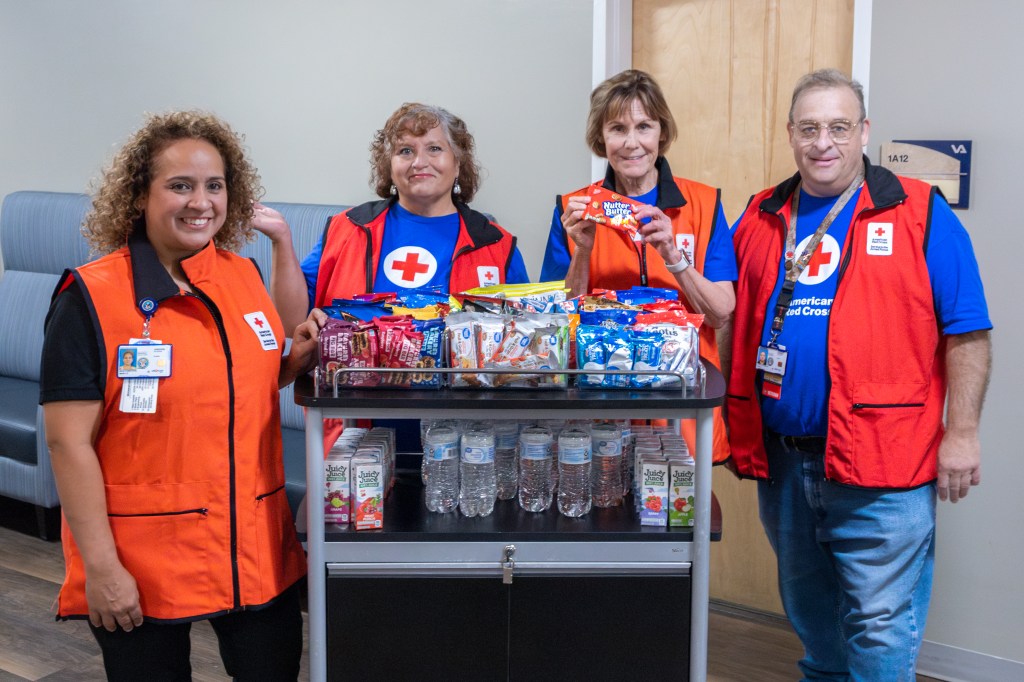
As part of this ongoing collaboration, the Red Cross recently donated four shuttle carts to the VA Hospital in Fresno. These carts will help provide safe transportation for veteran patients and their families from parking areas to the hospital entrance, especially critical during the Central Valley’s extreme summer heat, which poses additional health risks to vulnerable patients.
“These carts truly will save lives in this parking lot thanks to this beautiful donation from the American Red Cross Service to the Armed Forces.” – Mary Golden, VA Central California Health Care System
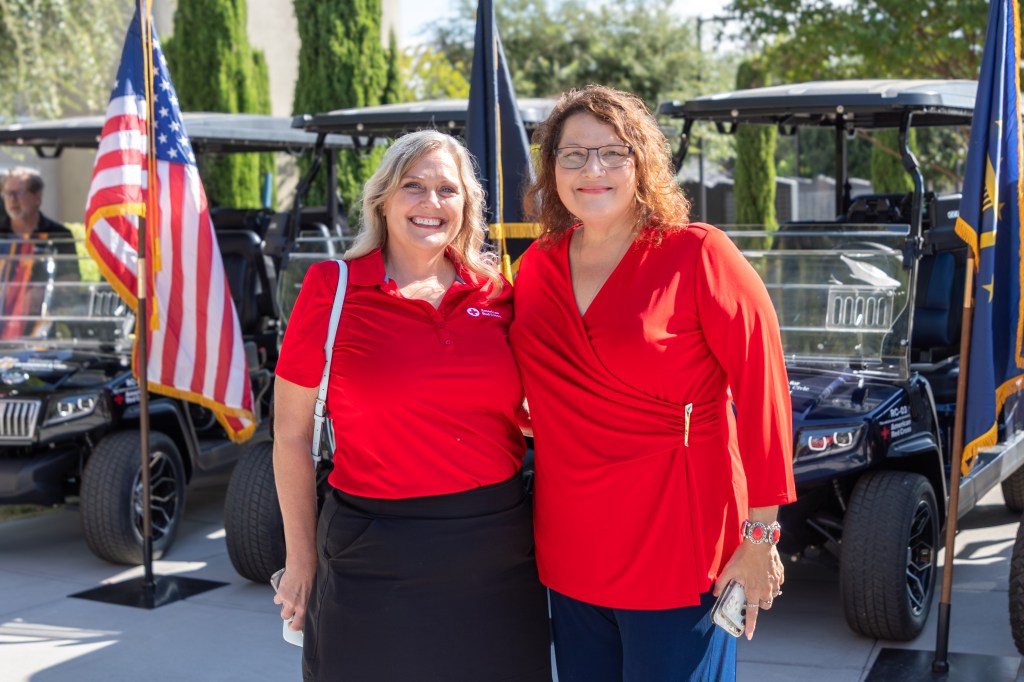
Lori Wilson, Executive director of the American Red Cross Central Valley Chapter, and Mary Golden Chief, Center for Development and Civic Engagement (CDCE) at VA Central California Health Care System
“This is so huge for us, and especially our veterans receiving care at our VA. We want them to know when they come on campus that they are safe. We will take care of them, we respect them and we honor them,” said Mary Golden. “By providing this transportation with these new, beautiful carts that hold six veterans at a time, it will be able to provide more services for more veterans and get them safely to the building, especially on hot days in the summer. Veterans can become dehydrated, dizzy, stumble or fall, and we just want to prevent that for them and their guests.”
“Our goal is to prevent veteran falls in the parking lot and throughout the facility with our programs in CDC or voluntary service, and part of preventing falls is preventing the injuries that come with them. If a veteran is over 80 years old and breaks a hip, it can drastically shorten their lifespan,” explained Golden. “These carts truly will save lives in this parking lot thanks to this beautiful donation from the American Red Cross Service to the Armed Forces.”
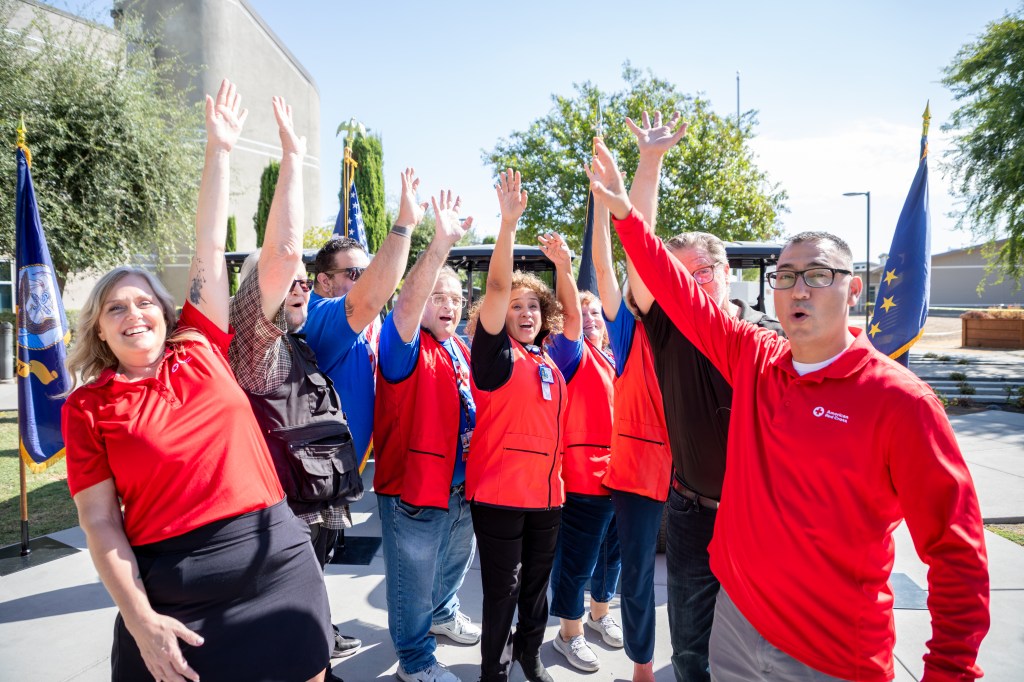
Leaders from the American Red Cross Central Valley and VA Central California Health Care System celebrated the special donation in September 2025.
“We have an amazing partnership with our American Red Cross Service to the Armed Forces, it’s been strong, and they are committed to the veterans we mutually serve and we work together on all manner of veteran care needs. We work together to serve veterans through fires and storms and other natural disasters and emergencies, and here at the hospital, they provide us with dedicated volunteers to run a number of programs, including the American Red Cross Service to the Armed Forces Hospitality Cart. Our partnership is just one of collaboration and trust,” said Golden.
“As a veteran myself, these types of services don’t go unnoticed,” said Jose Molina, Service to the Armed Forces Program manager. Molina was instrumental in supporting the logistics of the donation of the shuttle carts. “I’m proud to have played a small role in the part of the process that allowed for the donation of the carts for my fellow veterans. For the Fresno VA to be doing this for the veterans in this community, it will truly save lives.”
Every day, brave individuals answer the call to serve in the U.S. Armed Forces. From the beginning of their service and throughout their lives, the Red Cross stands by them, offering a continuum of care.
The Red Cross and VA Central California work together year-round to support veterans through emergencies, natural disasters and hospital-based programs to provide non-medical support. Red Cross volunteers play a vital role, from operating the Hospitality Cart to distributing comfort items and cards on special observances and offering connection to ensure veterans are never forgotten.
“I just feel like we’re family now, and we have been for years,” shared Golden. “I truly love the American Red Cross and all of the work they do for our community, but especially the way they serve veterans through the Service to the Armed Forces.”
By Kaytlin Crough, American Red Cross Disaster Leader
My name is Kaytlin Crough, and I currently serve as the Senior Community Disaster Program Manager (CDPM) for the Central California Region of the American Red Cross. It’s an honor to reflect on a moment in our shared history that changed the way many of us view disaster response and community resilience.
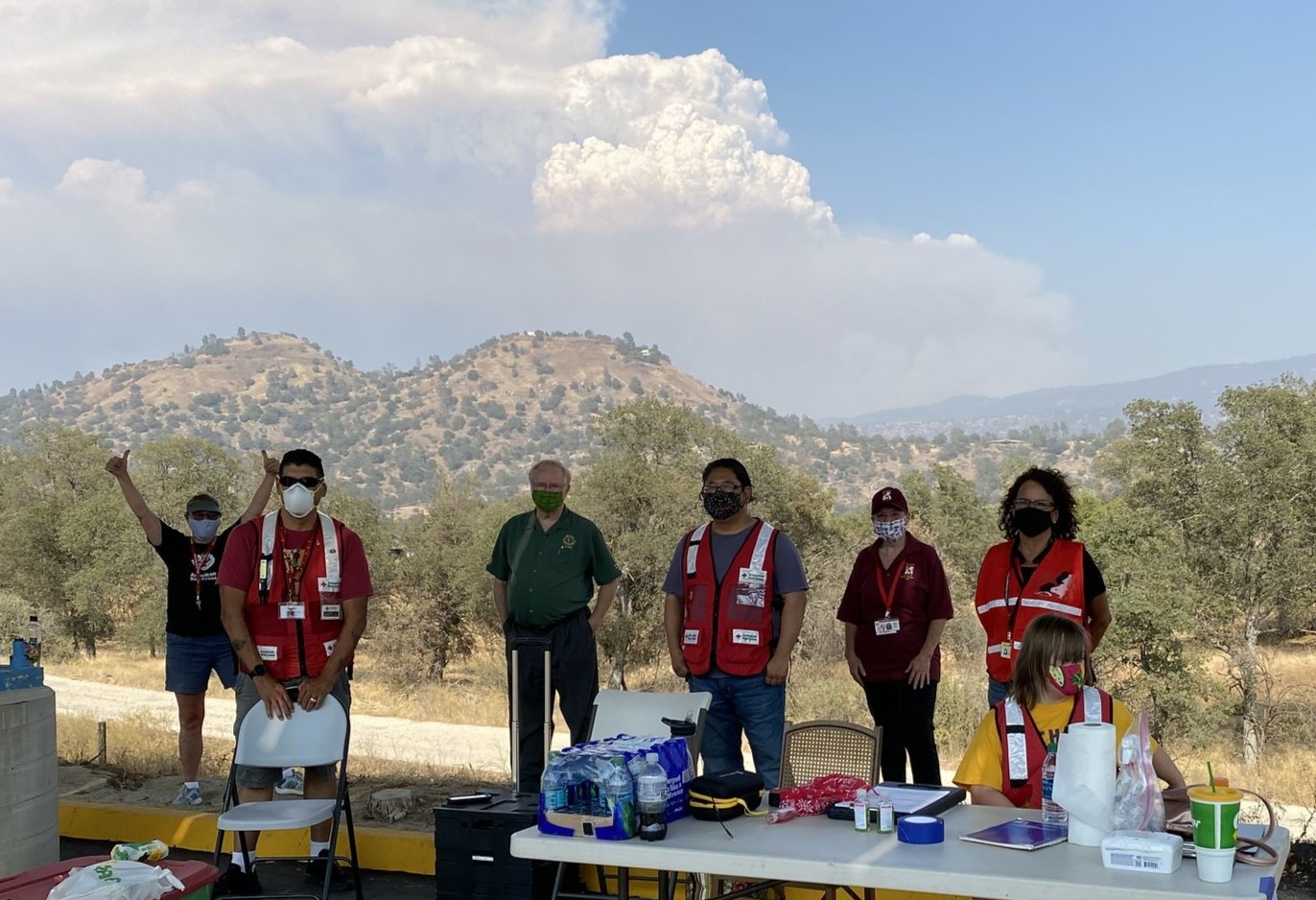
Today, I want to take you back to September 2020, when I was just six weeks into my role as a CDPM. I was still learning the ropes, still figuring out how to navigate the systems and relationships that make this work possible. And then, the Creek Fire happened.
“People came together. Neighbors helped neighbors. Volunteers stepped up. And in the midst of chaos, there was compassion.” – Kaytlin Crough
It’s hard to believe the five-year anniversary of that fire is here. At the time, Fresno County wasn’t widely recognized as a hotspot for wildfires, certainly not the kind that would become the largest wildfire in California’s history up to that point. The scale of the disaster was staggering. But what stood out most wasn’t the fire itself; it was the incredible readiness and resilience of our community.
And at the heart of that response were our first responders. Firefighters, law enforcement, emergency medical teams and the National Guard put themselves in harm’s way to protect lives and property. Their courage and tireless efforts were nothing short of heroic. They battled flames that moved faster than anyone anticipated, coordinated evacuations under extreme pressure and worked around the clock to keep our communities safe. We owe them our deepest gratitude.
People came together. Neighbors helped neighbors. Volunteers stepped up. And in the midst of chaos, there was compassion.
The Creek Fire shaped my understanding of disaster response and deepened my commitment to this work. It reminded me that even in the most unexpected circumstances, community strength and solidarity — led by those who run toward danger — can make all the difference.
There are moments in this work that stay with you — moments that shift your understanding of what it means to serve, to respond and to be present in the face of disaster.
For me, one of those moments began at the National Guard base in Fresno. I remember driving up to the front of the base, unsure of what exactly I was walking into, calling my boss and telling her I didn’t see any people, where was I supposed to go. My boss simply said, “Go around to the back.” And when I did, I saw them. Massive helicopters, engines humming, crews moving with purpose. Fluorescent SOS tape on the side of the helicopters. That’s when it hit me: everything I had been training for, everything I had studied and prepared for… it was happening. Right in front of my eyes.
That day, we were responding to the Mammoth Pools evacuation. The next morning, I found myself at the shelter at 6:00 a.m., greeting the evacuees as they woke up or returned from the hospital with bandages covering their burns. Most of the individuals rescued were from outside of Fresno County and were able to return home that same day. But there was one woman, just one, who couldn’t.
I walked with her through the quiet streets of downtown Fresno, remember we were in a pandemic, helping her check into the Radisson Inn. She became the first overnight stay in what would become a disaster response that saw over 34,000 overnight stays in the weeks that followed.
That walk, that moment, reminded me that behind every number, every stat, every headline — there’s a person. A story. A life interrupted, and a chance for us to show up with compassion, dignity and care.
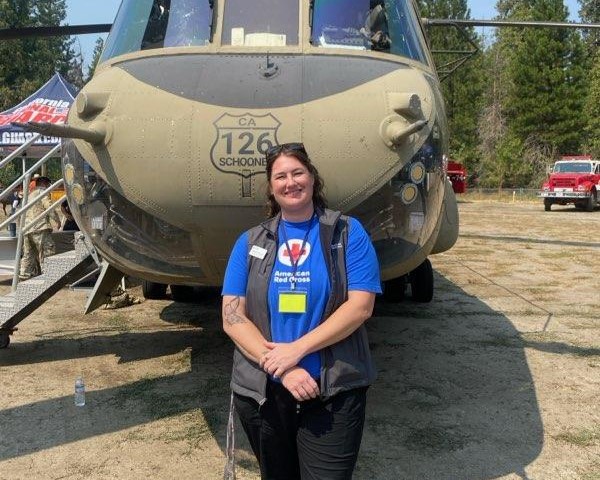
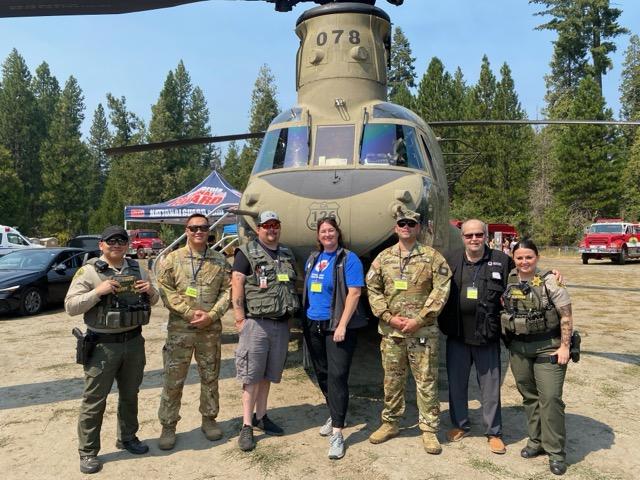
Five years later, Kaytlin stood with the same Chinook helicopter that was used to save hundreds of trapped people from Mammoth Pools at the Creek Fire five-year commemorative event to honor first responders.
Now, I want to take a moment to reflect on the adaptability and dedication during the Creek Fire Response.
As I mentioned, Fresno isn’t typically a hotspot for wildfires, so when the initial reports came in, we were anticipating a relatively small-scale operation, maybe 15 to 20 clients needing evacuation support. We prepared accordingly, bringing in coordination and feeding support for what we thought would be a short-term, limited response.
But the fire grew large, hot and fast.
By September 17th, the Red Cross was supporting nearly 1,800 evacuees. These individuals were spread across 49 hotels in five different counties. The scale of the operation changed dramatically, and with it came a host of logistical and operational challenges, especially through what we call, ‘a disaster within a disaster.’ We were managing the worldwide COVID-19 pandemic, amidst the largest wildfire we’d ever seen in the Central Valley.
What stood out most was how our team rose to meet those challenges. I watched firsthand as coordination efforts scaled seamlessly, adapting to the needs of nearly 2,000 people without missing a beat. Every obstacle was met with determination, flexibility and a deep commitment to serving our clients.
And again, we were not alone. Firefighters and emergency personnel were out in the field, battling the blaze, saving lives and working side by side with us to ensure evacuees had safe places to go. Their bravery and professionalism were a cornerstone of the response effort.
This response was a powerful reminder of what we’re capable of when we come together with purpose and resilience. It was an extraordinary effort—and one that made a real difference.
The Creek Fire was a Level 5 disaster response operation in the Red Cross world—one of the most complex and demanding we’ve faced—and the numbers speak volumes about the scale and impact of our collective efforts:
183 volunteers and staff were assigned to our Red Cross operation.
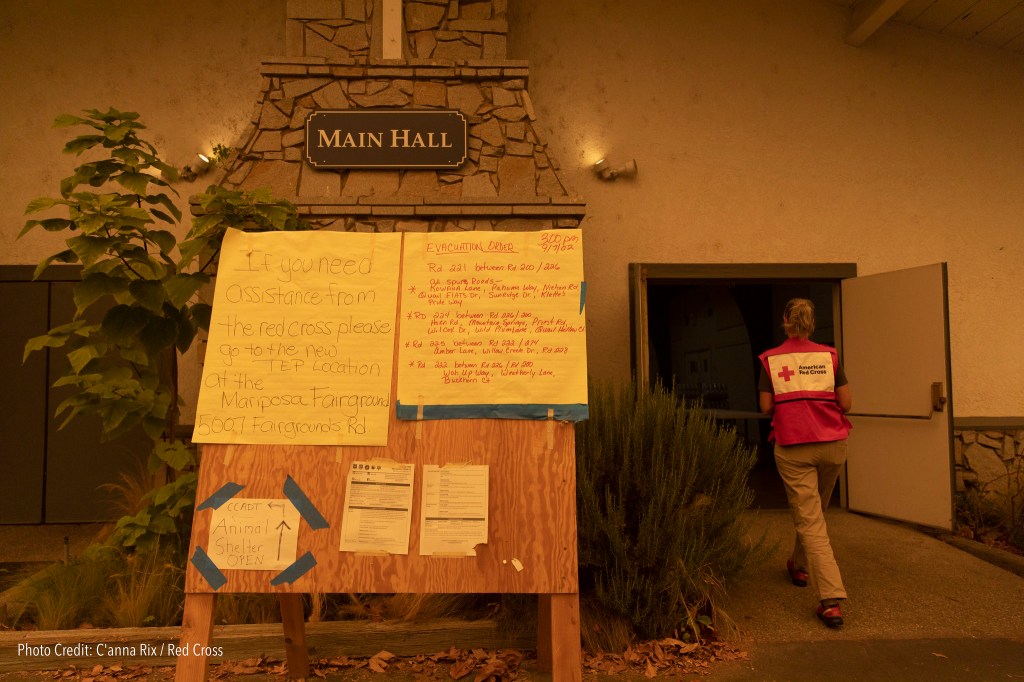
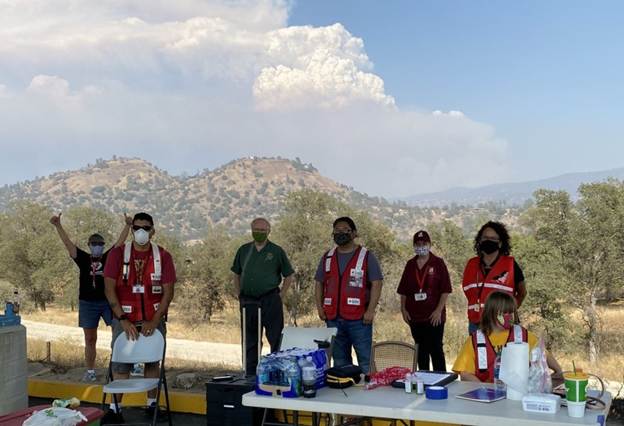
4 Temporary Evacuation Points opened for those affected by the evacuations, providing services for 16 days and nights.
3 Local Assistance Centers providing recovery support were open for 18 days.
34,332 overnight shelter stays were provided to evacuees.
80,844 meals were served.
20,514 snacks were distributed.
2,578 disaster emergency supplies were handed out.
More than 2,500 clients served across Sheltering, Disaster Health Services, Disaster Mental Health, Disaster Spiritual Care and Recovery.
At the peak, 51 hotels were managed as non-congregate shelters across 5 counties.
These numbers reflect not just logistics. They reflect lives touched, comfort given and hope restored. Red Cross hands and hearts were behind every meal, every shelter stay and every moment of care.
Throughout the long-term recovery efforts following the Creek Fire, we worked hand in hand with the Creek Fire Recovery Collaborative to support impacted communities. The Red Cross was proud to be the largest funder of these recovery efforts. But that support was only possible because of our incredible network of partners and the overwhelming generosity of the community. Together, we were able to meet critical needs and help families rebuild their lives. It’s a powerful reminder of what we can accomplish when we come together.
But our work doesn’t end here. Disasters will continue to impact our communities, and we need more compassionate, skilled, and resilient individuals to join us. If you’ve ever considered volunteering, or know someone who might be ready to make a difference, now is the time. Whether it’s sheltering, logistics, health services or emotional support, there’s a place for everyone in the Red Cross mission.
Just like we did during the Creek Fire, together, we can continue to build a stronger, more prepared community. This work is not easy. But it is meaningful. And I’m grateful every day to be part of it.
Let’s keep showing up, lifting up and standing up for those who are seeking hope amidst disaster.