
How to Give Blood as a Vegetarian
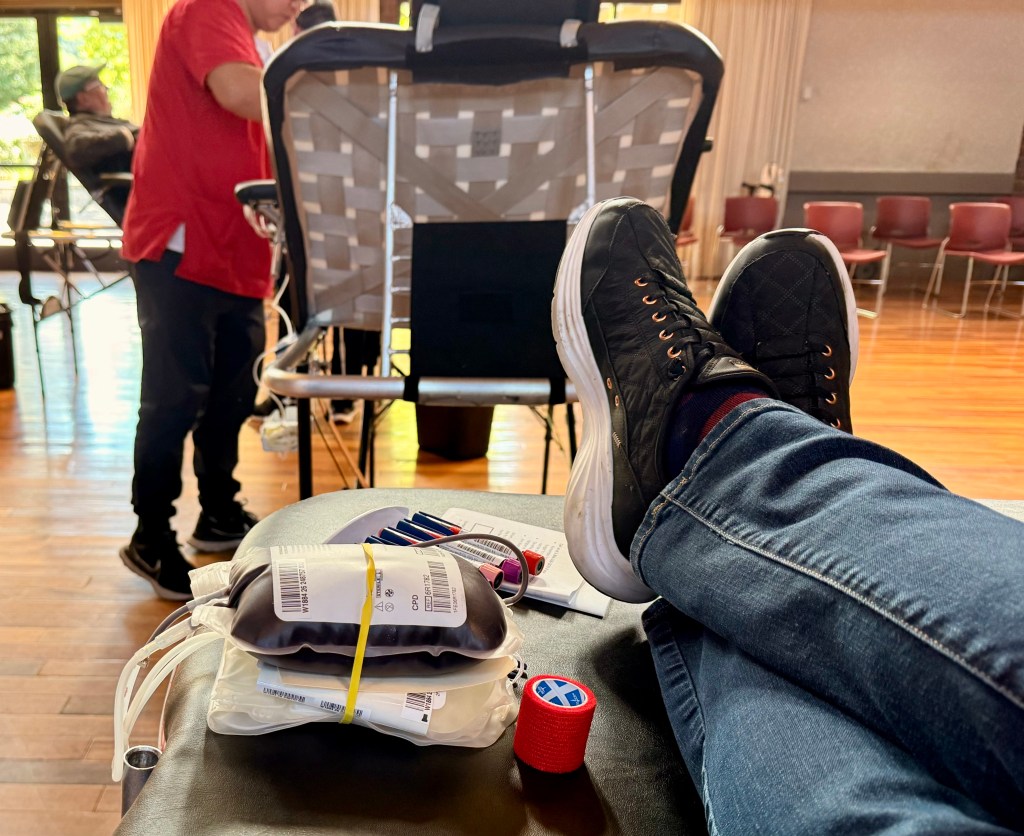
I walked into my American Red Cross blood donation appointment in February feeling confident. I eat well, I exercise and I care about doing my part. Then came the results from the hemoglobinometer they slipped over my finger and a polite but firm rejection. My hemoglobin was too low.
It was frustrating, but it sent me down a path I’m grateful for. Because I learned that if you’re vegetarian—or, like me, eat a mostly plant-based diet—you can give blood. You just have to be a bit more intentional about iron.
Why iron matters more than you think
When you donate blood at any age, you don’t just lose fluid, you lose iron, and iron is essential. It helps your body make hemoglobin, the protein in red blood cells that carries oxygen through your body. Low iron can lead to fatigue, reduced endurance, and difficulty concentrating, and in more serious cases, anemia.
Here’s the nuance I didn’t know: the Red Cross checks your hemoglobin before donating but that’s not the same as your total iron stores. You can pass the hemoglobin test and still be low on iron overall.
That’s where ferritin comes in. Ferritin is a protein that stores iron in your body—it’s essentially your iron “reserve tank.”
- Hemoglobin = what’s circulating and being used right now.
- Ferritin = what you have stored for future use.
If ferritin is low, your body has less cushion to rebuild after donating. To protect younger donors, the Red Cross checks ferritin levels in 16–18-year-olds who give blood, including both standard and double-red-cell donations. If the ferritin level for young donors is too low, they are asked to defer donating for a year.
And vegetarian or not, frequent donors are encouraged to talk to their health care provider about taking an over-the-counter multivitamin with iron or an iron supplement to help prevent iron deficiency.
Why vegetarians can struggle with iron
Plant-based diets provide iron, but it’s a different kind. The iron in plants (non-heme iron) is less easily absorbed than the iron in meat, which means vegetarians often need to eat more iron-rich foods and pair them strategically to improve absorption.
Common vegetarian iron sources include:
- Leafy greens like spinach and kale
- Lentils, beans and chickpeas
- Tofu and tempeh
- Pumpkin seeds, nuts and whole grains
But here’s the key: vitamin C dramatically boosts iron absorption. Think spinach with lemon, beans with tomatoes or a citrus fruit alongside your meal.
What I changed (and what worked)
After that February rejection, I made a few simple but consistent changes:
- I became much more deliberate about eating iron-rich foods daily (download the Red Cross’ iron rich food guide here)
- I paired those foods with vitamin C whenever possible
- I reduced coffee and tea around meals, which can inhibit absorption and
- I added an iron supplement every other day.
That last one is also consistent with Red Cross guidance for what to do after donating: donors may benefit from taking a multivitamin with iron or a supplement (typically 18–38 mg) for a period after donating to rebuild levels.
When I went to donate again a couple of months later, my levels were back where they needed to be.
A practical note on supplements
Iron supplements are helpful, but one thing I wish I’d known earlier: iron supplements that are liquid or gummies can temporarily stain your teeth, leaving a gray or black tint. Using a straw, rinsing afterward or brushing soon after can help avoid that. Better still, taking a gel cap or tablet where the iron supplement does not sit in your mouth removes the risk of darkening your smile.
Iron supplements can also cause mild digestive issues, though I didn’t notice any. Some health professionals suggest taking iron every other day rather than daily—it’s easier on your system and still effective.
The bigger picture
The Red Cross emphasizes that donor health comes first—for both the donor and the people receiving blood. That means preparing well by eating a balanced meal, staying hydrated and prioritizing iron intake before and after donating.
If you’re vegetarian, it doesn’t disqualify you. It just means paying attention. And once you do, you become someone who can show up, roll up your sleeve and help save a life.
That’s worth a few extra handfuls of spinach.

