Monthly Archives: October 2018

Janet Packer has been a dedicated volunteer since Katrina

By Fleur Williams

janet-packer_clara-barton_420x279

Janet Packer, right, recipient of a Clara Barton Award, is pictured with Michele Averill, CEO of the Central Coast Chapter. (Photo: Jim Hobbs)

One early morning in 2005, Janet Packer watched from her home in Aptos, California as the devastation of Hurricane Katrina played out on the TV news. Packer was immediately moved to respond, driving to the American Red Cross’s Santa Cruz office and arriving just as the doors opened at 8:30 a.m. “I’ll do anything you need me to do,” she said. Read more

Red Cross supports Fleet Week Humanitarian Village

By Larry Dietz

fleet-week_420x279

The Red Cross set up a station in “Humanitarian Assistance Village” at Fleet Week. Fleet Week is an important event for the Red Cross as it helps to fulfill our mission for community readiness and preparedness for disasters, to connect and support our armed forces, and increase access to lifesaving blood and blood products. (Photo by: Albert Becker, American Red Cross)

See all photos

San Francisco has always had a special relationship with the US Navy. One example of that is San Francisco Fleet Week (SFFW), which began in 1981. The annual celebration of America’s sea services takes place over Italian Heritage Weekend in October on the Marina Green.

Through its core mission of Support to Armed Forces (SAF), the American Red Cross has been a consistent and strong supporter of Fleet Week. Read more

When helping people is your ‘thing’

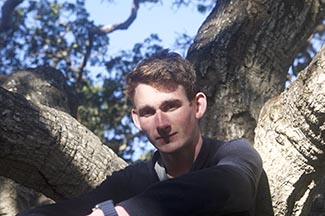
TygeTyge Bellinger likes helping people. It’s been his “thing” ever since he was a little kid. He first volunteered in 2017, during his senior year of high school. He joined the Home Fire Campaign and has been doing it ever since.

“I think I’ll keep building my work with the American Red Cross, but I love what I’m doing,” Tyge says. “I like doing things that can help save lives. And I like the people I work with, too.” Read more

Red Cross response to Mendocino Complex Fire

As of Friday, August 17, 2018, 12:00 p.m.
For information on Red Cross services, call the 2018 Northern California Fire Storms Hotline at 855-558-1116.

43702931502_7c82ef6889_z

Jordan Innes, 8, is glad that he can be with his pets while he is staying at the Lower Lake High School shelter. (Photo: Virginia Becker, American Red Cross)
For more photos, please go to this Flickr site.
Read some of our client and volunteer stories from this disaster relief operation. 

 California Northwest Chapter Executive Director Jeff Baumgartner address concerns about the Red Cross response in this blog post.

Three weeks after the Mendocino Complex Fire erupted in northern California, the Red Cross is there as communities recover, making sure people get the help they need as they cope with the aftermath of these deadly fires. According to officials, the Mendocino Complex Fire, which includes the River Fire and the Ranch Fire, which is 76% contained, has burned more than 378,000 acres and destroyed 157 homes in Lake County.

Alongside many community members and partners, 374 Red Cross disaster workers, most of whom are volunteers, continue to support to people whose lives have been turned upside-down by these wildfires. Read more

A story of exodus, separation, and reunion

Two sisters reconnect through Red Cross program

Wars, ethnic cleansing, genocide, and poverty — having plagued humanity for centuries — sadly continue to be part of our heritage today. The terms are synonymous with death, destruction, and the displacement of millions. But in spite of everything, there is still HOPE, manifest in the work of a humanitarian organization that lights the way amid the darkness.

By Samar M. Salma

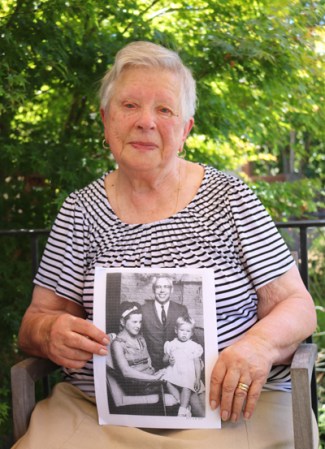
Photo of Tamara holding a photo of her as a child with her parents.

Tamara is holding a cherished photo of herself, her late husband Oleg, and their daughter, Natalie. (Photo: Samar M. Salma)

From 1941 to 1944, the Germans subjected Leningrad, the former capital of Russia known today as “Saint Petersburg,” to one of the longest and most destructive chapters of World War II. Historians believe that the Siege of Leningrad — occurring over a nearly 900-day period — resulted in the deaths of up to 1.5 million soldiers and civilians and the evacuation of another 1.4 million people, mostly women and children. Read more