
A Closer Look at the Science and Stories Behind Donated Blood
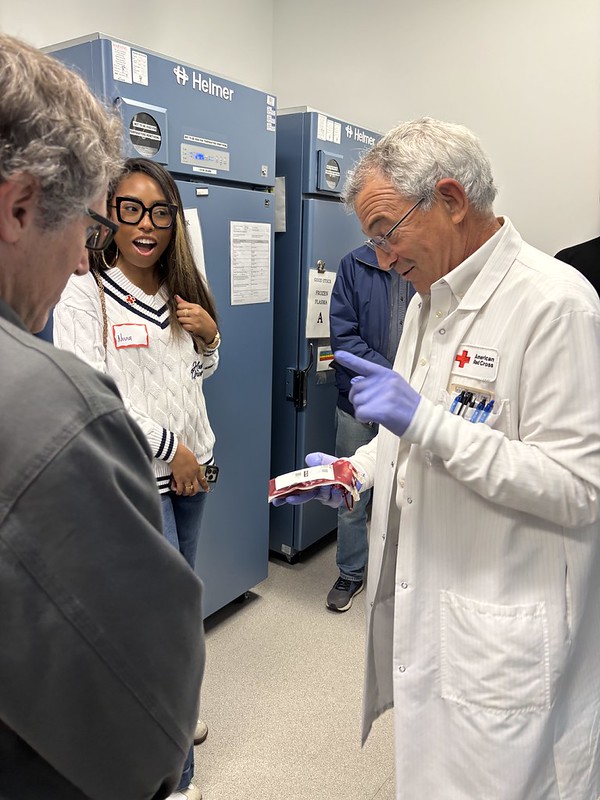
Special guests recently got a rare, behind‑the‑scenes look at the American Red Cross blood processing center in San Leandro, Calif., and the visit came with some powerful reminders of why blood donation matters.
“As I am walking in today… you might not have known I have sickle cell disease,” guest speaker and sickle cell advocate Nivia Charles said as she shared her personal story. While her condition isn’t always visible, it’s far from rare: sickle cell disease is the most common genetic blood disorder in the U.S.
For Nivia, blood donations are essential. She relies on regular transfusions to manage extreme pain and life‑threatening complications—transfusions she calls “the life-force that is keeping me going.” She emphasized how critical it is to have a diverse donor base; one in three African American blood donors is a match for people living with sickle cell disease.
“We have noticed the lack of turnout from people who look like us,” she said. “I didn’t even realize this until I got older how much more of an impact it has to have people from your own cultural background show up to support you in donations.” Matching antigens for sickle cell transfusions are critical to prevent a condition where the recipient’s immune system creates antibodies against foreign red blood cell antigens. Finding close matches helps prevent complications for those who need repeated transfusions, making donor diversity vital.
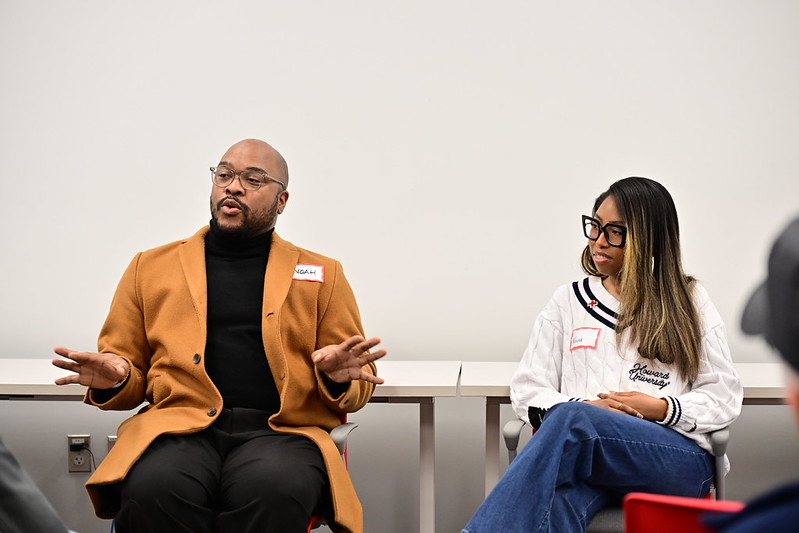
Visitors also heard from Noah James, whose promising career as a professional dancer ended abruptly at age 25 when sickle cell disease began damaging his bones. “That for me was a life changer because that means I had to stop dancing, I couldn’t do all of the things that I loved,” he shared. Today, he depends on about six bags of blood every month for transfusions “to provide and survive and to live and function on a day-to-day basis.”
While sickle cell disease was top of mind, speakers reminded guests that patients with many different needs rely on donated blood—from car accident victims to mothers experiencing childbirth complications to people undergoing surgeries.
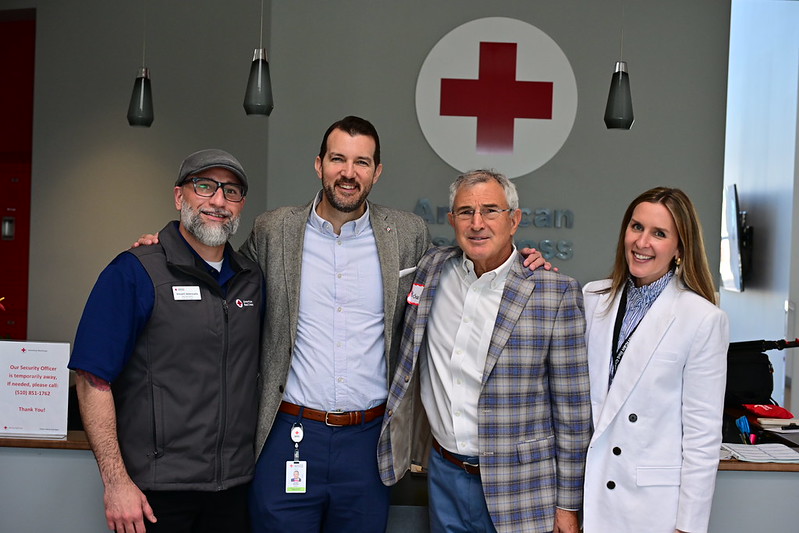
One blood donation type is especially crucial for cancer patients. Michael Gregory, Board member and Red Cross Biomedical Committee chair, explained that platelets are in high demand. Platelets are a key clotting component of blood and are often needed for people receiving chemotherapy. The blood lab can’t keep the bags of blood in stock for very long. “As soon as they hit the shelves they are gone,” he said of the high demand from hospitals.
After hearing patient stories on February 26, 2026, guests toured the blood processing lab to see how donated blood moves through testing, processing and storage—each step handled with precision.
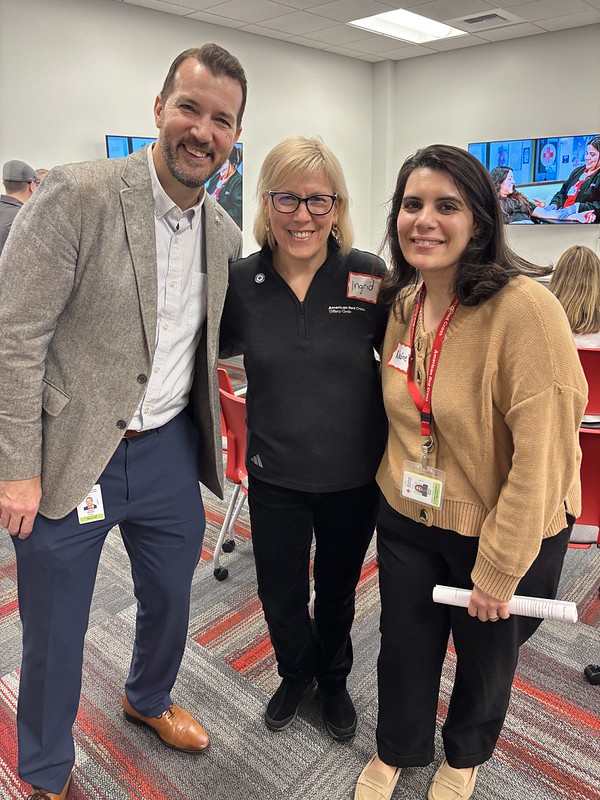
Joining the tour was Ingrid Swenson, co-chair of the Red Cross Tiffany Circle in Northern California Coastal Region, a community of women leaders who advance the American Red Cross mission, who said she was “impressed with the sophistication and complexity of the process.”
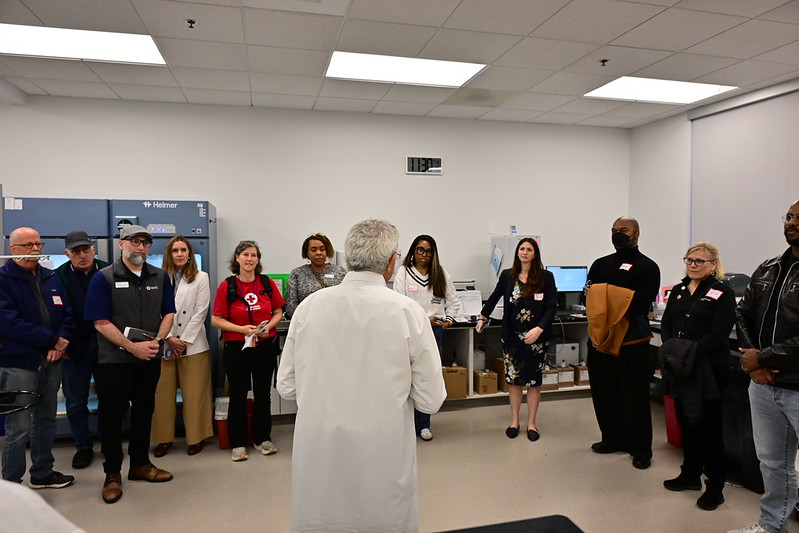
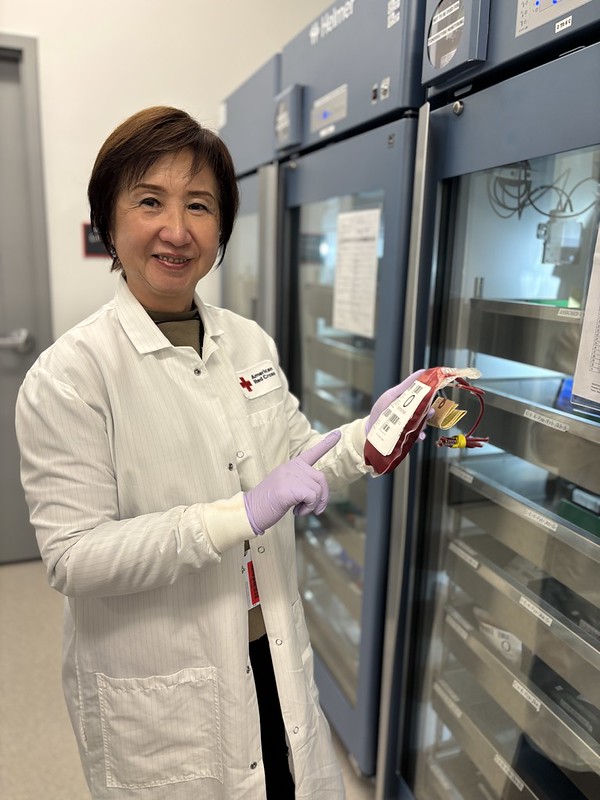
That complexity was on full display during the tour, as Reference Lab Blood Bank Specialist Maxine Mok worked to find a good match for a sickle cell patient. “We may have to screen up to 500 donors in order to find an appropriate antigen match unit for one patient,” she explained. Every patient has a unique antigen profile, so finding the right blood match can become a meticulous, science-driven puzzle and challenge, one that requires extensive testing and an ongoing supply of donors.
As the tour wrapped up, guests left with a deeper appreciation for the people and processes behind every unit of donated blood—and for the patients whose lives depend on it.
“After seeing it, now I get it,” said Ingrid Swenson. The stories shared and the work happening inside the lab underscored one simple truth: every donation matters, and every donor has the power to make a lifesaving difference.
 Your Red Cross Update