
The Heart of a Shelter: Jodi Wallace’s Strategic Lead in the Alaska Typhoon Recovery
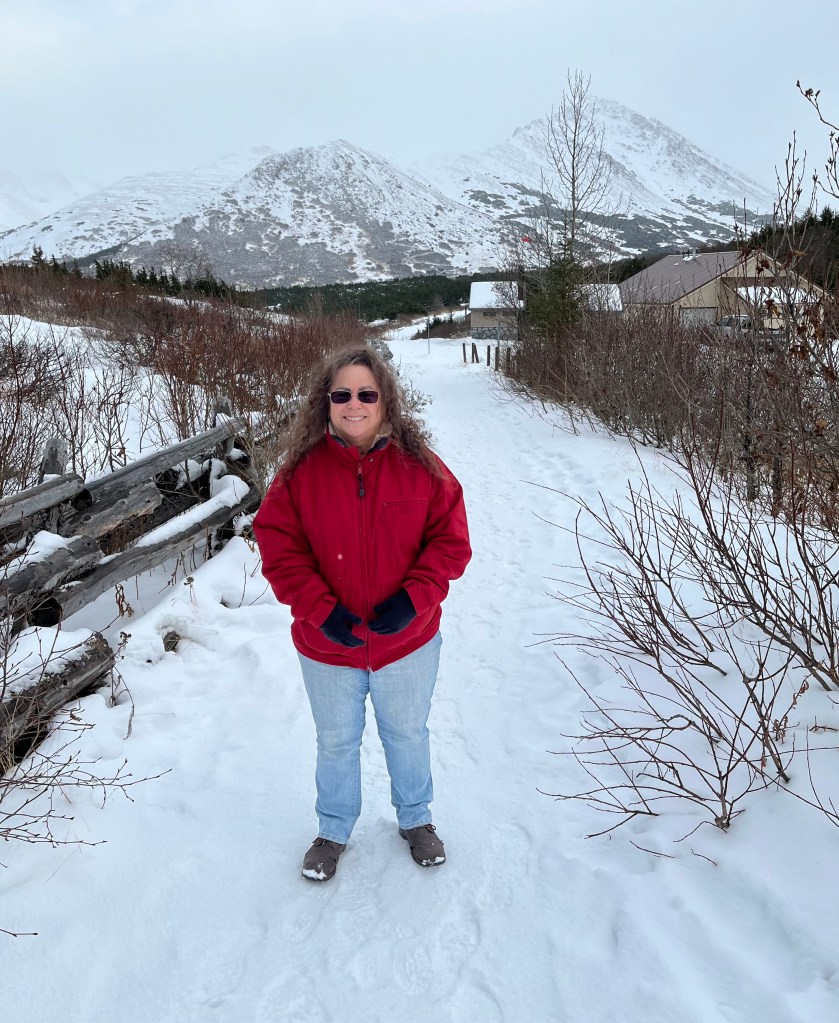
For American Red Cross volunteer Jodi Wallace, the call to deploy to natural disasters is a lifelong mission. Most recently, she was one of the many volunteers that deployed to Alaska to aid the thousands of survivors affected by the destruction of Typhoon Halong last October.
Referring to herself as a “Katrina baby,” Jodi has been deploying to natural disasters since Hurricane Katrina. When she first heard the call for Red Cross volunteers on the television and radio, she signed up and began her journey assisting in the shelters.
“I realized that sheltering was really something near and dear to my heart, so I stayed with it. For at least the first 16 years, I predominantly ran shelters as a shelter manager because that is really what I loved and was passionate about,” she said. “For the last four years, I started doing other things, but my favorite is being Mass Care Chief because it keeps me close to sheltering.”
As Mass Care Chief, Jodi manages all of the leads and functions that fall under Mass Care, which include Sheltering, Feeding, Distribution of Emergency Supplies, Reunification and Shelter Resident Transition. She brought her expertise to Alaska, where she deployed for six weeks.
She highlighted some of the circumstances that made this particular deployment very unique.
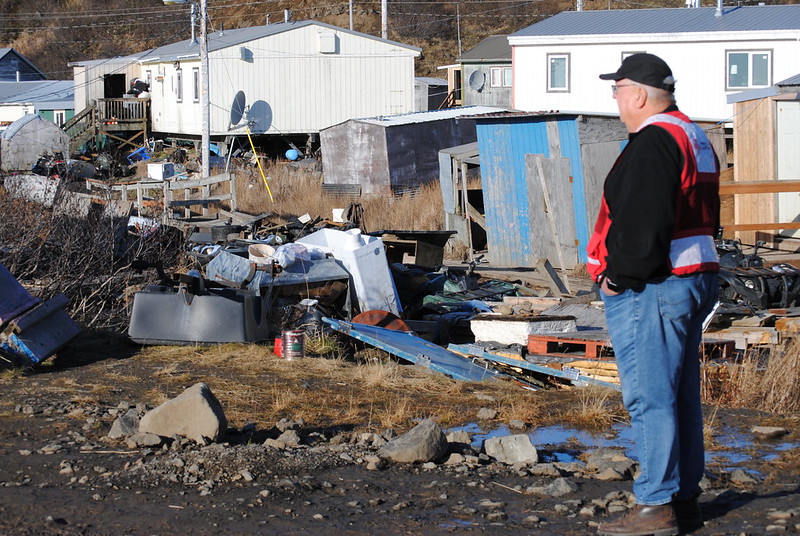
“We had people who had to be airlifted from their villages to Bethel, which was approximately 400 miles away, and then loaded into military planes to be brought over to Anchorage, so getting people there was unique in itself,” she said. “The clients* that came in also had a lifestyle that was very different from what we’re used to in the city.”
For many of the survivors who came from rural communities, the transition from congregate sheltering to hotels, referred to as non-congregate sheltering, was a new experience as they may not have ever ridden on an elevator, rode a bus or been in a hotel. As a result, shelter workers developed very close relationships with the shelter residents as they helped transition them to hotel accommodations.
“When we moved people into hotels, we realized that things were taking much longer than expected. What was happening is that it was very emotional for both the clients and the Red Cross shelter team,” Jodi said. “They wanted to make sure they said goodbye to everyone they had worked with. When we asked people for shelter workers to extend their stay, no one hesitated. One day I walked into one of the hotels and there was a husband and wife hanging out on the floor with our shelter team. They said, ‘These are our friends, we came to visit them.’”
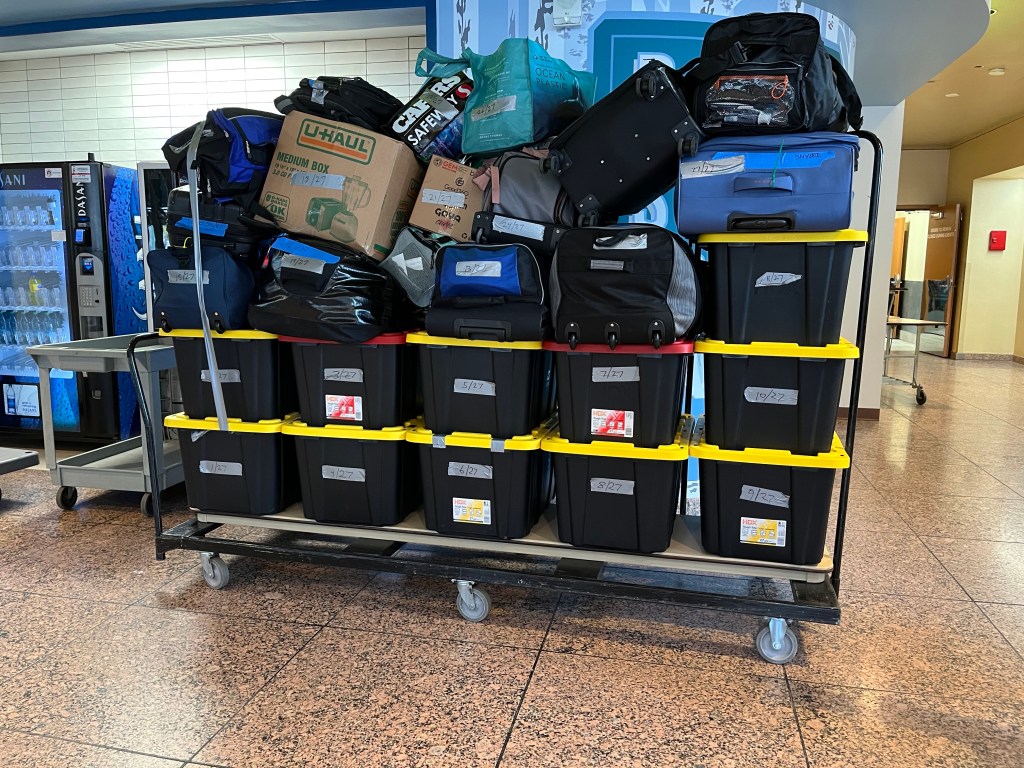
Jodi described the extensive logistics that went into making the transition to non-congregate sheltering possible. Each family had two Red Cross volunteers designated to help them pack and label all of their belongings and accompany them all the way to their hotel rooms. The Red Cross even worked with the local fire department to secure car seats for the children.
With the help of the Red Cross Community Engagement and Partnerships (CEP) team and members of the community, requests and unique needs of those affected could be met.
Jodi recalled a story of a young man who was a musician in the community but had lost his guitar in the floods.
“His mother was concerned because he was very quiet. It was very hard for him to have lost his guitar,” she said. “It wasn’t something we could personally replace, but CEP reached out into the community and an older gentleman, who was also a musician, donated an acoustic guitar for this boy. This young man was so excited and put on a mini concert for everybody.”
Jodi’s team also worked extensively with Red Cross leadership to secure approval to fulfill requests for items that are not usually provided during relief operations.
“For example, we had multiple requests for sewing machines,” Jodi said. “Generally, there is a woman in the village who would do the sewing and mending, and that’s how she would provide additional income. We were actually able to get permission to purchase five or six sewing machines on behalf of the clients. The clients were so overwhelmed and appreciative because it meant so much. That’s not a regular thing we would think of, but we asked, ‘What are the unmet needs that would make a difference in their life?’ We could only purchase those because leadership recognized it was a true need.”
The typhoon survivors will not be able to return to their villages for at least 12 to 18 months. Since then, other organizations have entered to complete the casework needed to find new homes and apartments for those who have been displaced
According to Jodi, her deployment experience to Alaska reinforced her passion for sheltering and deploying to disaster zones to provide critical and immediate aid.
“I’m part of a very special organization. It reminds us that there’s a lot of kindness still in the world. I always remind new people that we want to treat our clients the way we would hope our families would be treated if something happened,” she said. “Everybody has a Red Cross chapter. Call them up and say you’re interested. Not everybody can deploy a lot like I do, but there are so many things local chapters need help with, no matter what your schedule looks like.”
Learn more about our Disaster Relief Services here.

Clients*
Red Crossers will often refer to those we serve as clients, an indication of a professional relationship where those seeking support will receive free sheltering, food, assistance, and services.
 Your Red Cross Update