
Why Blood Donors Who are Black Matter: One Woman’s Lifesaving Connection to Donors
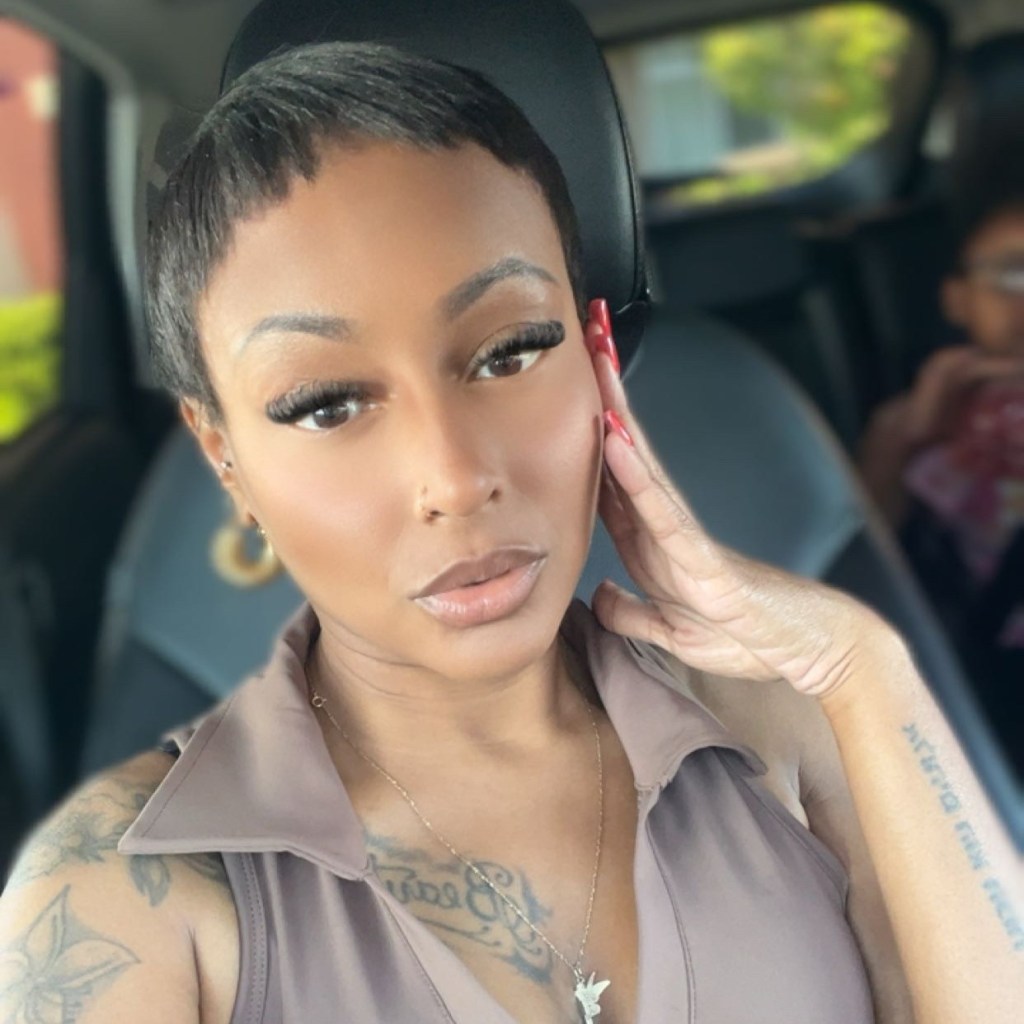
Growing up, Jenielle Tulloch didn’t understand why illness followed her when no one else around her seemed to suffer the same way. Pain came in waves, sudden and consuming. “A lot of times I felt like a burden to them,” she says about getting sick so often.
“It’s like you’re being stabbed multiple times, over and over, an internal throbbing pain like a heartbeat,” she says. These crises would send her to hospital. As a child she thought: “You aren’t going to make it past 30, you aren’t going to have kids.”
Fortunately, she did make it past the age of 30 and had two children of her own. As an adult she began to educate herself about sickle cell disease. And eventually she even came to appreciate how the experience shaped her.
“If I didn’t live with this disease, I wouldn’t be able to be vulnerable, I wouldn’t be able to see other people’s pain,” says Jenielle. “It’s a weakness but also a strength.”

Although she takes medicine for her condition, she still ends up in the hospital once or twice a year. Her last hospitalization lasted two weeks during which she was treated with blood transfusions.
A transfusion is the process of receiving blood or blood products intravenously. Without it, the hard, crescent shaped red blood cells of a patient with sickle cell disease have difficulty flowing smoothly and carrying oxygen throughout the body, causing extreme pain and life-threatening complications.
Jenielle’s disease is not rare. In fact, sickle cell disease is the most common genetic blood disorder in the U.S. That is why the American Red Cross emphasizes the critical need for diverse donors through our Sickle Cell Initiative. Blood donors who are Black are almost three times more likely to be a match for a patient battling sickle cell disease than donors who are not Black or African American.
Additionally, patients can develop antibodies from receiving multiple transfusions over time, so CEK negative donors – whose blood lacks specific red blood cell antigens – are essential because their blood lacks the three proteins that trigger these immune reactions. These rare donors provide a critical safety net for patients in need of compatible blood.
Blood transfusions revive Jenielle, and she jokes that she feels like a vampire after she receives the donated blood. “I feel strong, stronger than before,” she says.
After her hospitalizations, Jenielle wants nothing more than to return to regular life in Antioch, Calif.
“After being sick I wanted to get out of the house and look normal,” she says.
And that’s where her job and passion come in. As a licensed hairstylist, she is an expert at making people look great and she knows first-hand the power of making herself look her best.
“Even though you are going through something, you don’t have to look it,” she says. “My looks don’t portray a sick person.”


Blood donations make it possible for Jenielle to spend time with her kids and get back to work bringing out the beauty in each of her clients.
Please visit redcross.org/blood to make a blood or platelet donation appointment today.
 Your Red Cross Update